 Contact
 Help
Help






Silver Enters 2026 in a State of Structural Breakdown

 BullionStar
 0 Comments



As we step into 2026, the silver market is capturing global attention like never before. After surging more than 150 percent in 2025, prices are hovering around USD 73 per ounce in early January. What investors are now witnessing is not a typical cyclical rally, but what increasingly resembles a fundamental repricing of silver as both an industrial necessity and a monetary metal.

At BullionStar, we have long advocated physical precious metals as a cornerstone of wealth preservation. The current dynamics in silver highlight precisely why ownership of real, deliverable metal matters more than ever.
In this post, we examine the key forces behind silver’s surge, with particular focus on the escalating market squeeze, the widening disconnect between paper and physical markets, regional premiums signaling acute shortages, and the growing systemic risks embedded in paper silver instruments such as ETFs.
China at the Epicenter of the Paper–Physical Breakdown
The most striking signal in today’s silver market is coming from China. Physical silver pricing on the Shanghai Gold Exchange has decisively broken away from Western paper benchmarks, with premiums reaching approximately 12 to 13 percent above LBMA spot and COMEX futures prices.
A premium of this magnitude is exceptionally high by historical standards and places current conditions among the most extreme divergences observed in the modern silver market. Physical silver is thus regarded as far more valuable than what the Western paper prices currently reflect.
In effect, the physical market is asserting price leadership over the paper market.
Global Premiums Confirm Physical Stress
China is not alone. Similar pressures are visible across multiple regions, albeit at varying intensities.
In Japan, premiums on secondary market platforms such as Mercari have at times surged to around 60 percent, reflecting intense retail demand amid limited availability. In the UAE, particularly Dubai, premiums are currently around 40 percent, driven by investment demand, jewelry consumption, and the region’s role as a physical bullion hub.
These premiums are the natural consequence of a market where physical supply is constrained and paper prices fail to clear real-world demand.
BullionStar Premiums and Inventory Positioning
BullionStar has also experienced record-breaking demand for silver, as reported here.
Our strategy has been to build substantial physical inventory at the earliest signs of tightening in the physical market. This approach has allowed us to maintain availability of both silver bars and silver coins at a time when many competitors are either completely sold out or operating with severely limited stock. We still have a relatively wide range of silver bars and silver coins available, with additional shipments already in transit.
That said, replenishing silver has become increasingly challenging. Rising acquisition premiums and longer delivery lead times from suppliers have made it necessary to adjust our pricing.
From an international perspective, however, we believe our premiums remain highly competitive. Our current indicative premiums are as follows:
Good Delivery approximately 1,000 oz silver bars at spot +5.99%
100 oz, 5 kg and 15 kg silver bars at spot +10% to 12%
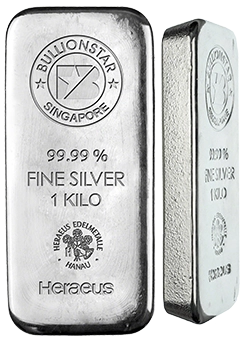
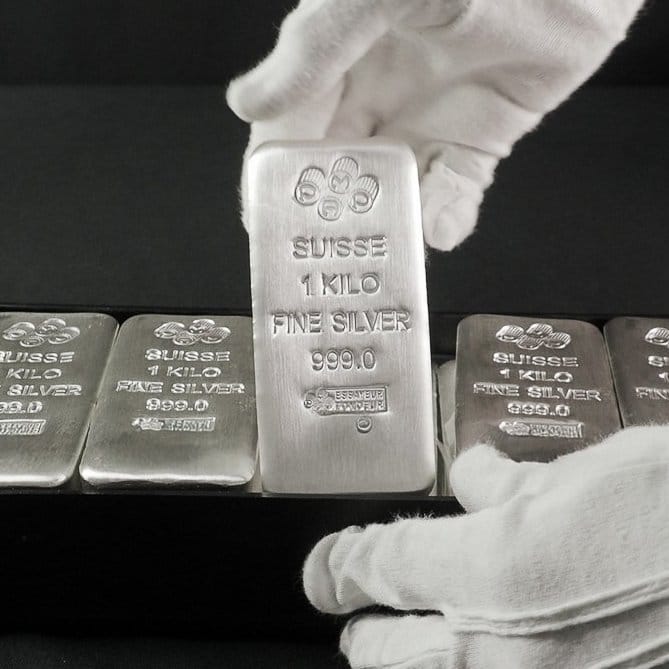
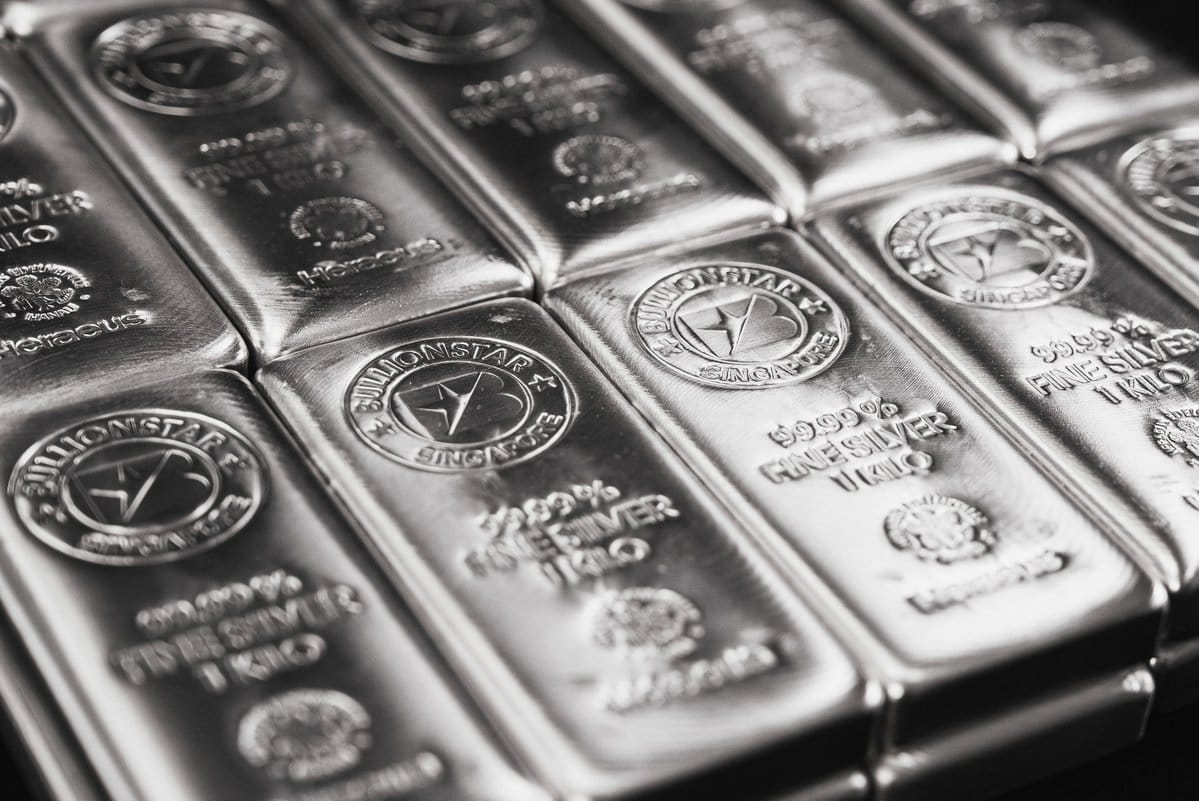
1 kg silver bars from spot +14%
1 oz silver coins from spot +12%
Structural Supply Deficits and Inelastic Industrial Demand
The physical squeeze in silver is underpinned by years of structural deficits. Global mine production peaked around 2016 and has since declined, while demand has continued to rise. With roughly 70 percent of silver produced as a byproduct of base metal mining, higher prices alone cannot quickly bring new supply online.
Industrial demand now consumes more than half of annual silver supply, and much of this demand is highly inelastic. Solar energy, electric vehicles, AI infrastructure, data centers, and advanced electronics all require silver regardless of price. Much of this metal is consumed and effectively removed from circulation, unlike gold which is rarely destroyed.
This creates a persistent drawdown of available above-ground inventories.
The ETF Fragility Problem
Perhaps the most underappreciated risk in the current market lies within paper silver instruments, particularly ETFs.
Most silver ETFs do not operate like simple vaults holding unencumbered metal for shareholders. They rely on a complex structure involving authorized participants, custodians, sub-custodians, leasing arrangements, and unallocated metal. Under normal conditions, this system functions smoothly.
Under physical stress, it does not.
When physical silver becomes scarce and lease rates rise, authorized participants may be unwilling or unable to source metal for ETF creation or redemption. In such scenarios, ETFs can begin trading at persistent discounts or premiums to net asset value, suspend redemptions, or be forced into cash settlement.
In an extreme squeeze, ETF shares may continue trading while the underlying metal effectively disappears from the market. Investors believe they own silver, but in reality hold a paper claim with growing counterparty risk.
This is how paper markets break. Not through a single dramatic default, but through gradual loss of credibility as physical metal flows out of Western vaults and into regions willing to pay real premiums.
Lease Rates and Backwardation Signal Escalating Stress
Another reinforcing signal comes from lease rates in the physical silver market. Rising short-term lease rates indicate that holders of metal are increasingly unwilling to lend silver even temporarily.
When elevated lease rates coincide with backwardation, it signals acute tightness. Immediate delivery commands a premium over future delivery. Historically, such conditions have often preceded sharp upward repricing as paper markets are forced to converge toward physical reality.
What This Means for Savers and Investors
Taken together, the surge in Chinese premiums, elevated regional premiums elsewhere, rising lease rates, persistent supply deficits, and mounting ETF fragility point to a silver market under severe strain.
What we’re witnessing is a credibility test for paper silver markets.
For savers and investors, the implications are clear. Physical ownership is non-negotiable. Counterparty risk for paper silver is higher than ever.
In a fragmented market where physical metal increasingly dictates price, relying on paper claims introduces risks that many investors have not fully considered.
With industrial demand accelerating, monetary pressures intensifying, and physical supply constrained, silver’s repricing may still be in its early stages. Many now view prices above USD 100 per ounce in 2026 as increasingly plausible, not as speculation, but as a consequence of structural realities.
Popular Blog Posts by BullionStar
 How Much Gold is in the FIFA World Cup Trophy?
 Essentials of China's Gold Market
 Singapore Rated the World’s Safest & Most Secure Nation
 Infographic: Gold Exchange-Traded Fund (ETF) Mechanics
 BullionStar Financials FY 2020 – Year in Review
 Important Update 19/02/2026 – Reduced Minimum Orders & Price Premiums
 Service Update 31/01/26 – A message from BullionStar’s Chairman/Founder
 BullionStar Announces Record Global Revenue of SGD 761.1M in FY 2025
 Silver Enters 2026 in a State of Structural Breakdown
 BullionStar Update: Extreme Demand, Silver Supply, and Market Conditions