 Contact
 Help
Help





Why Is Gold Valuable? The Reasons Behind Gold’s Enduring Worth
 Gold & Silver 101



Why is gold valuable? For investors, that’s not idle curiosity, it’s worth knowing exactly where an asset’s value comes from before you put money into it.
Gold is valuable thanks to a combination of five distinct features: it’s rare, chemically almost indestructible, threaded through thousands of years of human history and culture, genuinely useful in modern industry, and has worked as money and a store of value for longer than any currency still in circulation today. What makes gold valuable isn’t any single one of those properties, it’s that they all reinforce each other, which is a big part of why the price of gold has held up for so long.
That combination also answers a common follow-up: why does gold have value when other metals are actually rarer? Rarity is part of the story, but on its own it explains surprisingly little. What matters is that gold’s physical properties, cultural weight, and monetary history all line up at once, something no other metal on the periodic table can claim.
This guide walks through each of those factors in turn: the physical and chemical properties that set gold apart, the cultural and historical weight it’s carried for millennia, and the role it’s played, and still plays, as money and a store of value, along with answers to the questions people ask most often about why gold is worth what it is.
Why Is Gold So Valuable?
Gold is so valuable because of five factors that reinforce each other: rarity, chemical stability, cultural and historical significance, industrial use, and its long-standing role as money and a store of value. What makes gold valuable isn’t any one of these on its own, it’s that they all point the same way at once, something almost no other material can claim.
| Factor | Why It Matters |
|---|---|
| Rarity | Only around 222,600 tonnes of gold have ever been mined, enough to fill a cube about 22.6 metres on each side. |
| Chemical stability | Gold doesn’t corrode, tarnish, or react with almost anything, so it can be stored, melted down, and reused indefinitely without losing purity. |
| Cultural and historical significance | Gold has been prized as a symbol of wealth and power for over 5,000 years, from Egyptian pharaohs to modern central bank reserves. |
| Industrial use | Gold’s conductivity and resistance to corrosion make it essential in electronics, aerospace, and medical devices, alongside its use in jewellery. |
| Monetary role | Gold has functioned as money or backed currencies for most of recorded history, and central banks still hold it as a reserve asset today. |
This is also the answer to why does gold have value when plenty of other materials are scarce, useful, or symbolic on their own. Gold is the rare case where all of those qualities land on the same element at once. The next section looks more closely at the physical and chemical properties behind the first two rows of that table, the ones rooted directly in gold’s chemistry.
Gold’s Physical Properties That Make It Valuable
Gold’s properties read almost like a checklist for an ideal material. It doesn’t corrode, it can be shaped without cracking, it conducts electricity efficiently, and it’s dense enough that a small amount represents real, concentrated value. Very few elements combine even two or three of these; gold is one of the only ones that ticks every box at once.
Chemical Inertness
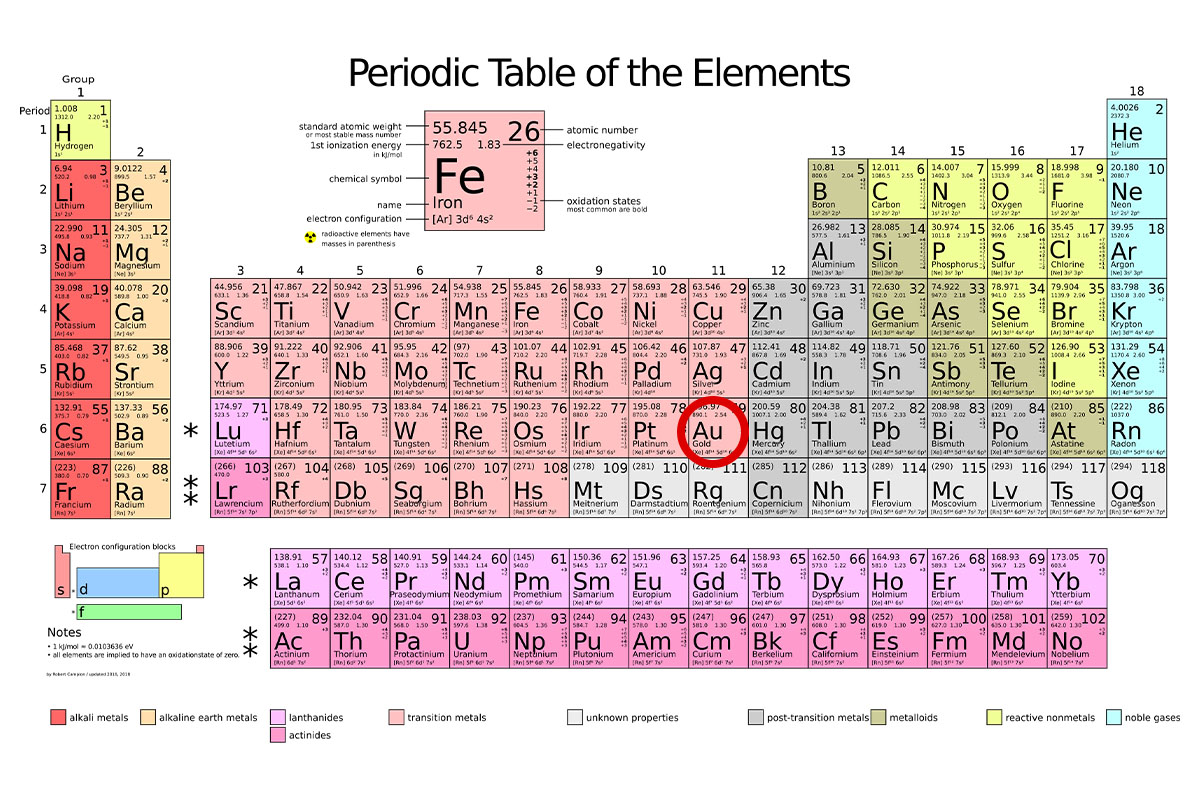
Gold is one of the least reactive elements on the periodic table, a “noble metal" that resists the rust and corrosion that eventually degrades almost every other metal. That’s why gold coins and gold jewellery recovered from shipwrecks and ancient tombs can still look bright and untarnished centuries later, a property covered in full in our guide to whether gold rusts. For an investment, that inertness matters as much as any market factor: a gold bar bought today will look and weigh exactly the same in 50 years, with nothing lost to rust, tarnish, or decay.
Malleability and Ductility
Gold is the most malleable and ductile of all metals. A single troy ounce can be beaten into a sheet thin enough to see light through, or drawn out into a wire around 80 kilometres (50 miles) long and just five microns wide, all without breaking. That workability is part of why gold became the default choice for coinage and fine jewellery early in human history. It’s genuinely easy to shape into precise, detailed forms with basic tools.
Conductivity
Gold conducts electricity and heat efficiently, and unlike copper or silver, its resistance to tarnishing means that conductivity doesn’t degrade over time. That combination makes gold essential in specific high-reliability applications, connectors in aerospace electronics and components in smartphones, where a corroded contact simply isn’t an option.
Density
Gold is dense: a one-cubic-foot block weighs around half a tonne, nearly twice as heavy as the same volume of lead. That density is part of what makes small amounts of gold worth transporting and storing securely; a modest handful of coins or a single small bar represents genuine, concentrated value, unlike bulkier commodities where storing meaningful wealth takes up considerably more space.
Colour
Gold’s warm yellow colour is also, unusually for a metal, intrinsic to its chemistry rather than a coating or oxidation effect. Most metals are silvery-white; gold and copper are the only two common metals with a distinctive colour of their own, and gold’s is the rarer and more prized of the two.
Is Gold Rare?
Yes, genuinely. Gold makes up only about 0.004 parts per million, roughly 4 parts per billion, of the Earth’s crust, one of the scarcest naturally occurring elements humans regularly mine and use, and about 19 times rarer than silver in the ground. That scarcity isn’t a coincidence of geology alone: gold formed almost entirely in neutron star collisions billions of years before Earth existed, then arrived here later via asteroid impacts, rather than forming here directly, a story covered in full in our guide to where gold is found.
Why is gold so rare compared to other metals, though, and not just rare in absolute terms? Context matters here: rhodium, a platinum-group metal, is roughly 20 times scarcer still in the Earth’s crust, yet has historically traded at a discount to gold for long stretches. Gold’s rarity alone doesn’t set the price. It’s gold’s other properties, chemical stability, workability, colour, and thousands of years of monetary and cultural use, that explain why gold specifically became the benchmark for precious value rather than a rarer element taking its place. That’s why gold is precious in a way that goes beyond simple scarcity, and it’s the throughline connecting this section to the cultural and monetary history covered next.
Why Has Gold Always Been Valuable?
Why has gold always been valuable, even across cultures that had no contact with each other at all? The physical properties covered above are part of the answer, but they don’t fully explain why gold specifically, rather than platinum or rhodium, became humanity’s default symbol of wealth on nearly every continent, independently, for more than 6,000 years.
The Oldest Gold: Varna, c. 4600 BC
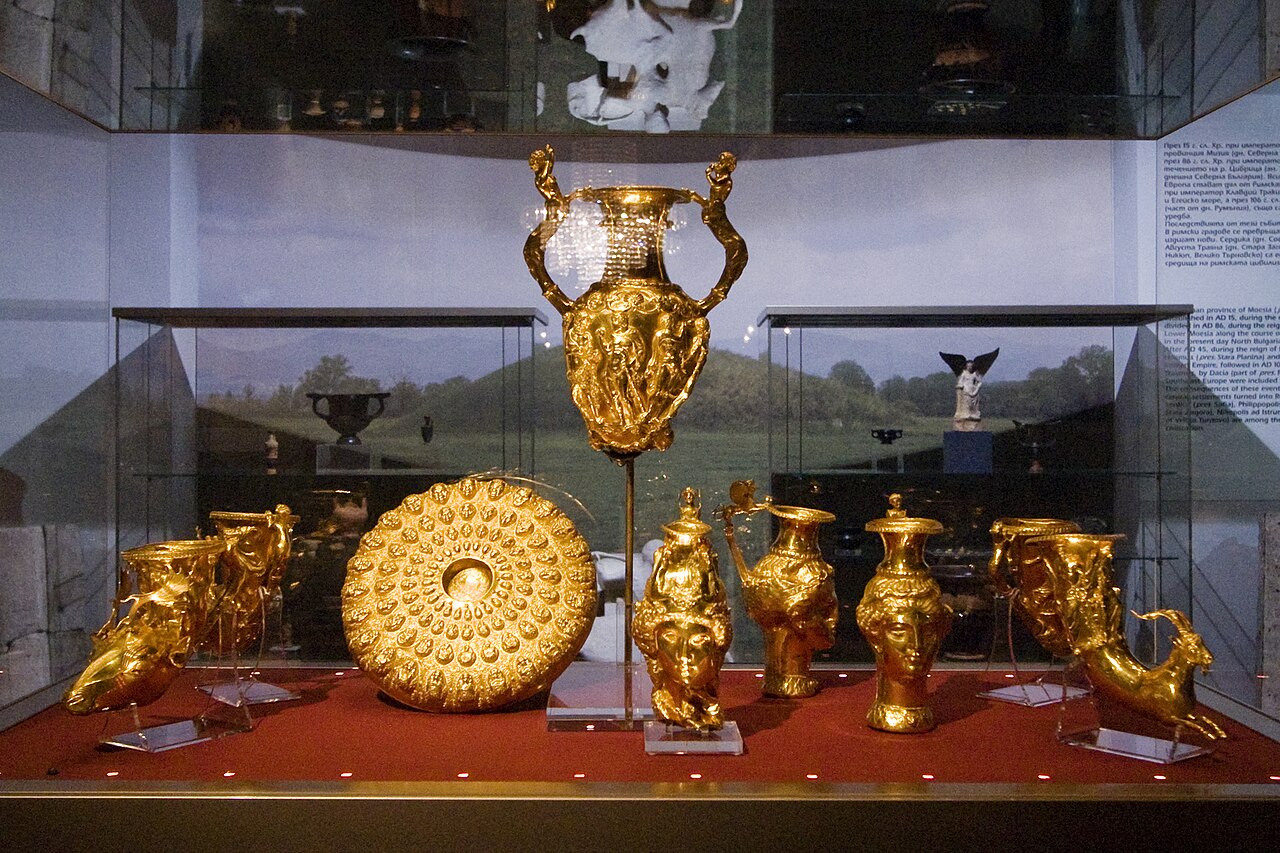
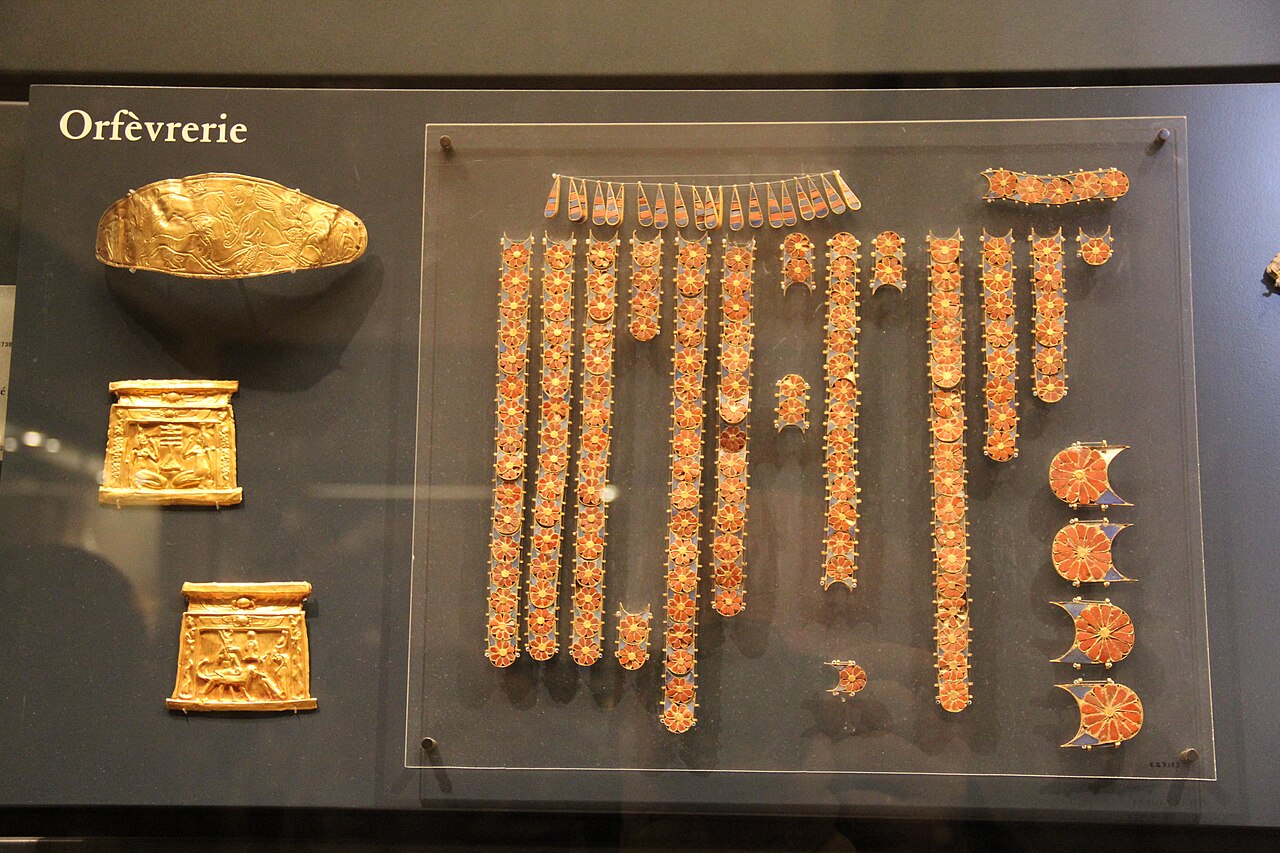
The earliest known gold treasure in the world comes from the Varna Necropolis in modern-day Bulgaria: roughly 3,000 gold artefacts, totalling around 6 kilograms, buried in graves dating to 4600–4200 BC. That single Chalcolithic cemetery contains more gold than every other known site from that same millennium worldwide, Egypt and Mesopotamia included, combined. Gold, in other words, was already being treated as a marker of status and power before the pyramids, before writing, before most of the metals we now consider “basic" had even entered widespread use.
Gold in Ancient Egypt
Ancient Egypt is where gold’s association with the divine really took hold. Egyptians believed a dead pharaoh was reanimated as the sun-god Ra, whose body and bones were made of gold, which is why royal tombs are so thoroughly gilded. Gold wasn’t just decoration, it was meant to be literally divine flesh. Tutankhamun’s burial mask, discovered in 1922 and among the most recognisable objects in the ancient world, is 10.23 kilograms of solid gold, and it’s just one item from a burial chamber packed with gold jewellery and artefacts intended to carry a king into the afterlife as a god.
Gold in the Americas: The Inca, Aztec, and Spanish Conquest
On the other side of the world, with zero contact between civilisations, the Inca independently arrived at an almost identical conclusion. They called gold the “sweat of the sun," a sacred material reserved for temples, palaces, and royalty rather than everyday trade. That belief produced one of history’s most staggering ransoms. After capturing the Inca emperor Atahualpa in 1532, Spanish conquistadors held him for ransom, a room roughly 22 by 17 feet, filled once with gold and twice with silver, gathered from across the empire over several months. Atahualpa fulfilled the ransom. The Spanish executed him anyway in 1533, then melted down the bulk of that gold, along with treasures looted from the Aztec Empire further north, into standardised bars and shipped it to Europe, an influx that reshaped European monetary systems for the next two centuries.
Gold’s Cultural Significance Today
That thread never really broke, it just changed hands. The same instinct that buried gold with Bronze Age chieftains and pharaohs now shows up in central bank vaults: annual central bank gold reserve purchases exceeded 1,000 tonnes of gold a year from 2022 to 2024, with a further 863 tonnes in 2025. That is the fastest sustained accumulation since the Bretton Woods era (more on that in the next section). It’s also a large part of why gold is expensive relative to what it’s actually used for physically: demand for gold isn’t just about jewellery or industry today, it’s backed by roughly 6,000 unbroken years of civilisations independently deciding it was worth protecting, which isn’t a kind of trust any newly popular asset can manufacture overnight.
That same trust is exactly why gold didn’t just stay a symbol, it became money.
Gold as Money: Why Gold Became (and Remains) a Store of Value
Anything that functions as money needs to do three things reasonably well: hold its value over time, move easily from person to person, and divide cleanly into smaller units without losing worth. Gold was arguably the first material in history to satisfy all three at once. That’s really the answer to why is gold money in the first place, not a decree or convention, but physical suitability no government had to invent.
The physical properties covered earlier are a key part of why gold is money. Gold’s chemical inertness means it holds its value across decades or centuries with nothing lost to decay, exactly what a store of value needs. Its malleability means it can be melted down, reformed, and re-divided into coins or bars of any size without losing purity or worth. Its density means a genuinely large amount of value fits into something small enough to carry or store securely, which is why gold coins, rather than something bulkier, became the practical choice for money across the ancient world.
That’s not theoretical. The earliest known coins in history, minted in the Kingdom of Lydia around 600 BCE, were struck from electrum, a natural gold-silver alloy, before Lydia moved to pure gold coinage under King Croesus a few decades later. From there, gold coinage and gold-backed currency spread and evolved for roughly 2,500 years, through the classical gold standard, the interwar years, and Bretton Woods, right up until the US suspended dollar convertibility in 1971. Our full guide to the Gold Standard covers that entire history and why it eventually broke down.
Gold as a Store of Value Today
Gold hasn’t been the literal basis of any currency since 1971, and fiat currency has become the monetary method of the modern world. So why is gold a store of value even now, decades after it stopped being money in the formal sense? Largely because nothing about gold’s underlying case changed when that link was cut, only the legal requirement to honour it did.
Roughly 98% of all the gold ever mined still exists somewhere today, in vaults, jewellery, and reserves, rather than being consumed like an industrial commodity, because gold was never used up, only held. That’s the practical definition of a store of value: an asset whose worth survives the passage of time rather than being spent into nonexistence, and it’s exactly why central banks, and individual investors, continue to hold physical gold and silver today, not as currency, but as a hedge that sits outside the banking system entirely.
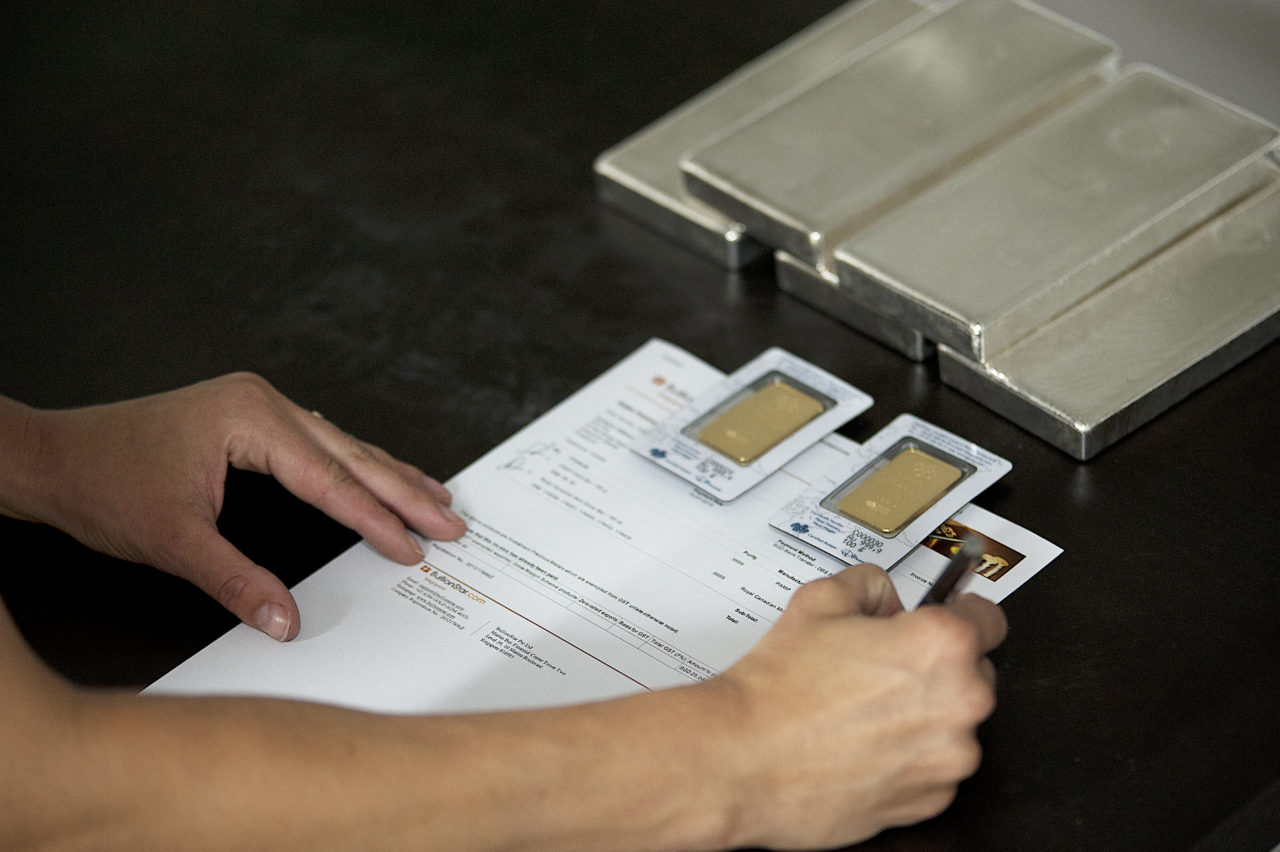
That combination, useful as money for millennia, still trusted as a store of value long after it stopped being legal tender, is really the throughline of this whole page. Gold’s value has never rested on one property or one era. Its rarity, chemistry, culture, and monetary history all still point in the same direction.
Frequently Asked Questions
Why do humans value gold?
Because gold satisfies a specific combination of practical and psychological criteria that few other materials manage. It’s rare enough to feel meaningful, permanent enough to trust, and beautiful enough to want. Multiple ancient civilisations reached the same conclusion independently, with no contact between them, which suggests humans didn’t invent gold’s value out of nowhere, they kept discovering the same thing about it, over and over, on different continents.
What gives gold value?
Five factors make gold valuable: rarity, chemical stability, cultural and historical significance, industrial use, and its long history as money and a store of value. No single property does it alone, it’s the combination that gives gold value, which is also why materials that are merely rare, or merely useful, rarely come anywhere close to gold’s price.
Will gold ever lose its value?
History shows that gold has never gone to zero, and has functioned as money or a trusted store of value in effectively every economic system for over 5,000 years. It has retained purchasing power through the collapse of currencies, empires, and financial systems that did lose their value entirely. That track record doesn’t guarantee anything about the future, but it’s a meaningfully different starting point than most other assets can offer.
Why is gold worth more than silver?
Silver is roughly 19 times more abundant in the Earth’s crust than gold, but the bigger driver is what happens to each metal after mining. Silver is heavily consumed in industrial applications like electronics and solar panels, while an estimated 98% of all the gold ever mined still exists today in vaults, jewellery, and reserves rather than being used up. That shows up clearly in the gold-silver ratio, the number of ounces of silver it takes to buy one ounce of gold. It’s averaged around 70 over the past decade, spiked to 125 during the 2020 pandemic, and currently sits closer to 59, still well above the roughly 47 average of the early 1900s, let alone the 2.5:1 ratio seen in ancient Egypt.
Is gold valuable because it’s rare?
Partly, but not primarily. Gold is genuinely rare, only about 4 parts per billion of the Earth’s crust, but several platinum-group metals, rhodium in particular, are considerably rarer still and trade for less. Rarity sets a ceiling on supply, but it’s gold’s combination of chemical stability, historical and cultural weight, and monetary role that explains why gold specifically became precious rather than a scarcer element taking its place.
Why do central banks hold gold?
Central banks hold gold as a reserve asset that isn’t anyone’s liability and can’t be frozen, defaulted on, or devalued by another country’s decision, unlike foreign currency reserves. That’s become more relevant recently, central banks bought over 1,000 tonnes of gold annually in 2022, 2023, and 2024. This is largely driven by concern that dollar-denominated reserves can be politically weaponised, a risk demonstrated when roughly $300 billion of Russia’s foreign exchange reserves were frozen in 2022.
Gold’s Value: More Than the Sum of Its Parts
Why is gold valuable? Rarity, chemical stability, cultural weight, industrial use, and thousands of years as money and a store of value. Five factors that would each mean relatively little alone, but which happen to converge on a single element in a way nothing else on the periodic table can match. That’s not a coincidence anyone engineered. Civilisations that never met arrived at the same conclusion independently, and the physical properties behind it, gold’s inertness, malleability, density, and colour, are just as true today as they were 6,000 years ago.
For an investor, that convergence is really the point. Plenty of assets can point to one or two of these factors on a good day. Very few can point to all five, backed by a multi-thousand-year track record of never quite losing that status, even as the currencies, empires, and financial systems around it changed completely. That’s a meaningfully different foundation to buy into than something whose value story is only a few years old.
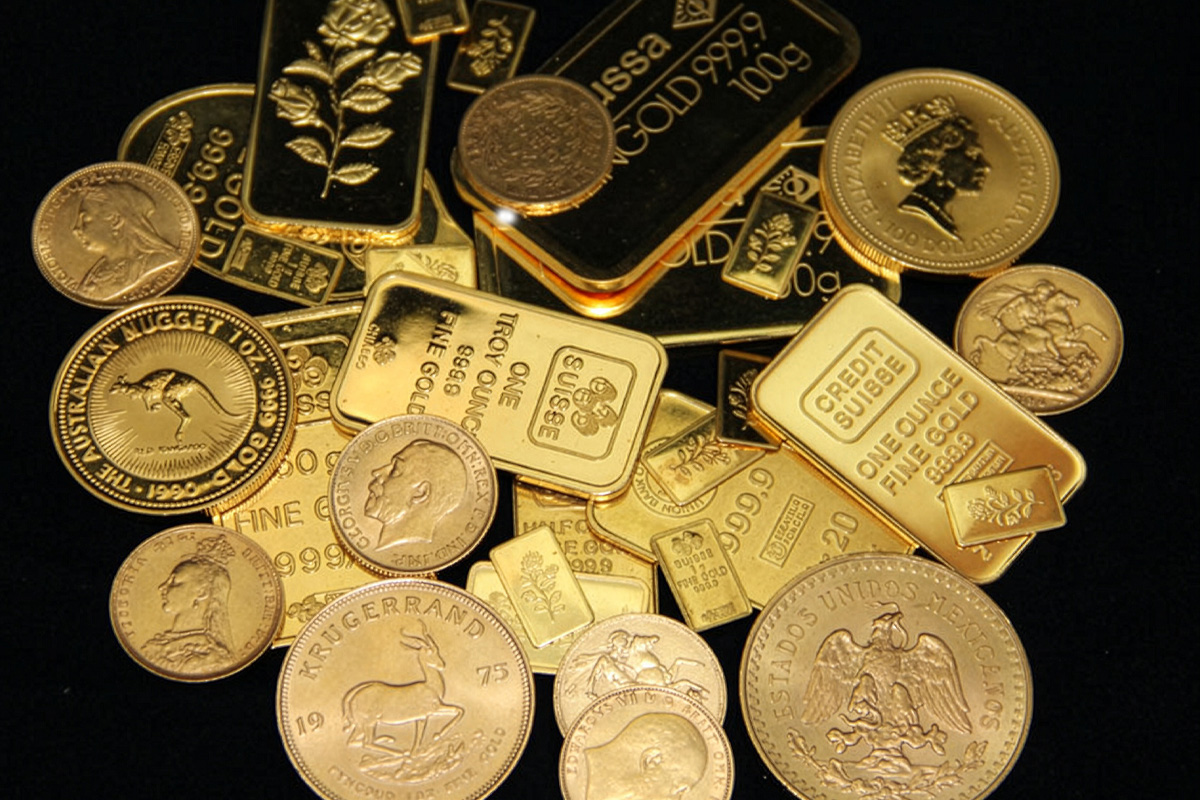
If this has left you wanting to hold a piece of that story directly, BullionStar offers a straightforward way to buy physical gold bars and gold coins. Browse our gold products today, and have them delivered to you, stored securely, or visit our Bullion Center at 45 New Bridge Road, Singapore to collect.
Popular Blog Posts by Gold & Silver 101
 An Introduction to Gold & Silver Investing
 Should I Invest in Gold, Silver, or Platinum Bullion?
 Gold Coins vs Gold Bars: Which Is Better?
 How Is Gold Taxed in Singapore? The IPM GST Exemption Explained
 Storing Precious Metals, Gold, and Silver Bullion
 Gold & Silver Bullion Investing FAQs
 How Much Gold Is There in the World?
 Junk Silver: What It Is and What It’s Worth
 999 Fine Silver: Investment-Grade Silver Explained
 Gold Savings Account vs Bullion Savings