 Contact
 Help
Help






COMEX Gold Futures: The New York Gold and Silver Market Explained



COMEX is the world’s largest gold futures exchange and the main venue for trading gold and silver in New York. It is run by CME Group from Chicago, which bought it in 2008. Every trading day it sets a futures price for gold that traders, bullion banks and dealers around the world watch in real time. When a financial news channel quotes a gold price, it is very often the front month COMEX gold contract.
COMEX is not a place to buy gold, though, and trading on it is not ownership of metal. It is a derivatives market. The standard contract represents 100 troy ounces of gold, and only a small fraction of contracts ever end in the delivery of a bar. Most are closed out or rolled forward before expiry. The vaults that back the exchange are real and hold a great deal of metal, but the amount of gold that trades on paper each day is far larger than the amount that is ever available for delivery. BullionStar has long pointed to that gap as the central weakness of a gold price set mainly by futures trading.
This guide covers what COMEX is and how it differs from the London Bullion Market Association and the London OTC gold market. It also explains how COMEX gold futures work, what registered and eligible vault inventories mean, which other metals trade on the exchange, and what the gap between paper and physical gold means for anyone who wants to own the metal itself.
Highlights
- COMEX, short for Commodity Exchange Inc., is the New York futures exchange for gold, silver and copper. Founded in 1933, it has been part of CME Group since 2008.
- Its flagship gold contract is for 100 troy ounces at a minimum fineness of 995. It is physically settled with bars held in exchange-approved vaults in and around New York City.
- COMEX is a regulated exchange where every trade is centrally cleared. The LBMA, by contrast, is a trade association for London’s over-the-counter market, where most physical wholesale gold changes hands.
- COMEX vault stocks are split into registered and eligible metal. Only registered metal, which has a warrant attached, is available to settle futures contracts.
- Only a small fraction of COMEX contracts ever end in delivery. BullionStar has long argued that this leaves the gold price driven by paper trading rather than physical supply and demand.
What Is COMEX?
COMEX, short for Commodity Exchange Inc., is the New York futures exchange where gold, silver and copper futures and options are traded. It is one of four designated contract markets owned by CME Group, alongside the Chicago Mercantile Exchange, the Chicago Board of Trade and the New York Mercantile Exchange (NYMEX). In the United States it is regulated by the Commodity Futures Trading Commission (CFTC). Most people who say “COMEX” mean its gold contract. CME Group calls it “the world’s leading benchmark futures contract for gold”, and says it traded around US$100 billion in notional value a day through 2025.
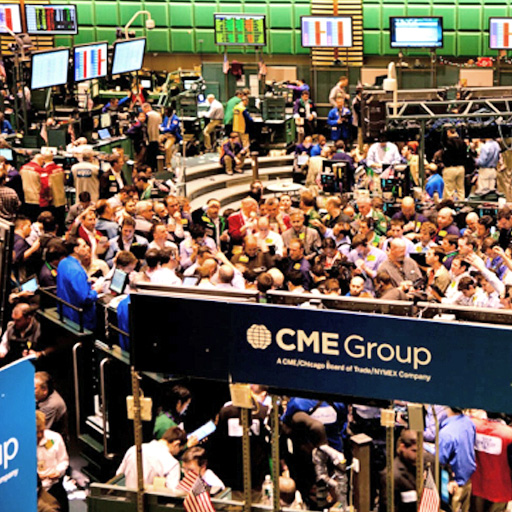
The flagship contract, code GC, is for 100 troy ounces of gold at a minimum fineness of 995. It is physically settled, meaning a contract still open at expiry is settled by delivering a bar held in an exchange-approved vault. Around it sit smaller contracts aimed at individual traders, including the 10-ounce Micro Gold contract and a cash-settled 1-Ounce Gold contract launched in January 2025. Trading runs almost around the clock on CME Globex, the group’s electronic platform, and the open outcry trading floor that once defined COMEX is gone.
COMEX was formed in 1933 from the merger of four New York exchanges, and launched gold futures on 31 December 1974, the day Americans were again allowed to own gold. It became a division of NYMEX in 1994, and CME Group bought both in 2008.
How COMEX Differs from the LBMA
COMEX and the London Bullion Market Association are often mentioned in the same breath, but they are different kinds of institution. COMEX is an exchange. The LBMA is a trade association that sets standards for the London OTC gold market, where banks and dealers trade with each other directly rather than through an exchange. London is where most physical wholesale gold changes hands. New York is where most gold futures are traded.
| COMEX (New York) | LBMA / London OTC market | |
|---|---|---|
| What it is | A regulated futures exchange owned by CME Group | A trade association for an over-the-counter market |
| What trades | Standardised futures and options contracts | Spot, forwards and swaps negotiated between parties |
| Counterparty | CME Clearing stands between buyer and seller | Each trade is a bilateral agreement between two firms |
| Standard gold bar | 100 oz bar or three 1 kg bars, minimum 995 fineness | 400 oz Good Delivery bar, minimum 995 fineness |
| Where metal is held | Exchange-approved vaults in and around New York City | London vaults, including the Bank of England |
| Price | Continuous futures price in US dollars per troy ounce | Twice-daily LBMA Gold Price auction, run by ICE Benchmark Administration |
| Published data | Daily volumes, open interest and vault inventories | Limited, mostly aggregated monthly vault figures |
The two markets are tied closely together. Traders arbitrage the price difference between them through exchange for physical (EFP) trades, which swap a COMEX futures position for London metal, and under normal conditions the gap is a few dollars an ounce. When the arbitrage breaks down, the gap can widen sharply, as it did in 2025. On disclosure, COMEX has the better record. It publishes its vault inventories every day, while London’s bullion banks reveal far less about what they hold and trade.
How COMEX Gold Futures Work
A COMEX gold futures contract is an agreement to buy or sell 100 troy ounces of gold at a fixed price for delivery in a future month. Both sides put down a margin deposit with their broker, which is a small fraction of the contract’s value. Gains and losses are then settled in cash every day as the price moves. That daily settlement, run by CME Clearing, is what lets COMEX trade such enormous volumes. The exchange stands between every buyer and seller, so neither side has to trust the other.
The contract’s value is the full 100 ounces at the traded price, but the margin posted is only a fraction of it. That is why COMEX gold is used heavily for hedging and speculation, and why prices can move sharply when leveraged positions are forced to close.
The Main COMEX Gold Contracts
| Gold futures | Micro Gold futures | 1-Ounce Gold futures | |
|---|---|---|---|
| Code | GC | MGC | 1OZ |
| Contract size | 100 troy ounces | 10 troy ounces | 1 troy ounce |
| Settlement | Physical delivery | Physical, via a certificate for a 10% share of a 100 oz bar | Cash-settled against the GC price |
| Minimum fineness | 995 | 995 | Not applicable |
| Trading | Nearly 24 hours, Sunday to Friday | Nearly 24 hours, Sunday to Friday | 24/7 since July 2026 |
GC is the benchmark and has by far the most liquidity, so “COMEX gold” almost always means GC. The smaller contracts are aimed at individual traders. The 1-Ounce contract never delivers metal at all, because it simply settles in cash against the GC price.
GC contracts are listed years ahead, but most trading happens in the February, April, June, August, October and December contracts. The nearest of these, the front month, is the price quoted on financial news and most live charts. Trading in each contract ends on the third last business day of its delivery month, but very few traders hold that long. Most close their position before the delivery period and reopen it in a later month, a practice known as rolling.
How Physical Delivery Works
Delivery on a GC contract can take place on any business day of the delivery month. A seller who holds a short position and has metal to deliver issues a notice through the clearing house. CME Clearing then assigns it to a buyer holding a long position. The buyer pays the full value of the contract and receives a warrant in return.
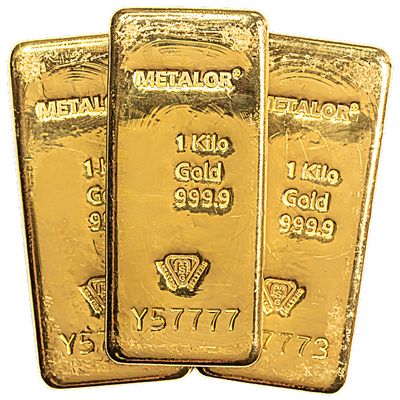
A warrant is a document of title to specific gold held in an exchange-approved vault. It is not a bar in the buyer’s hands. The gold must be either one bar of about 100 ounces, within a 5% weight tolerance, or three 1 kilogram bars, at a minimum fineness of 995. It must come from a refiner on COMEX’s approved brand list and be stored in one of the exchange’s approved depositories in and around New York City.
Once they hold the warrant, the buyer has three choices. They can leave the gold in the vault and pay storage fees. They can cancel the warrant and withdraw the bar, arranging their own transport and insurance. Or they can use the warrant to deliver against a future contract of their own. Taking delivery is therefore possible, but it is designed for institutions with custody arrangements in New York, not for someone who wants a gold bar in their hands.
COMEX Vault Inventories (Registered vs Eligible)
Every business day, COMEX publishes a report of the gold and silver held in its approved depositories in and around New York City. These are warehouses run by banks and specialist vault operators. The report is one of the most closely watched data sets in the precious metals market, and one of the most often misread. The headline total is not the amount of metal available to settle COMEX contracts. To see why, you need to understand the two categories the report splits every bar into.
What Registered and Eligible Mean
Eligible metal is any bar that meets COMEX’s standards for brand, weight and fineness and sits in an approved depository. That is all it means. The bar can belong to anyone: a bullion bank, a fund, an exchange-traded product or a private investor who has simply chosen to store it there. It has no connection to any futures contract, and its owner is under no obligation to deliver it.
Registered metal is eligible metal for which a warrant has been issued. As described in the previous section, the warrant is the document of title that changes hands when a contract is settled by delivery. Registered stock is therefore the metal that is actually available to deliver against COMEX contracts.
Moving a bar from eligible to registered, or back again, is a paperwork change. The bar itself does not move. It happens when an owner decides to make their metal available for delivery, or to take it off the market. Changes in registered stock are therefore a better signal of delivery pressure than changes in the total.
How Much Gold and Silver COMEX Holds
The table below shows the latest figures, as of 14 October 2026.
| Registered | Eligible | Total | |
|---|---|---|---|
| Gold | 14.8 million oz (461 tonnes) | 8.6 million oz (269 tonnes) | 23.5 million oz (730 tonnes) |
| Silver | 103.1 million oz (3,208 tonnes) | 230.7 million oz (7,174 tonnes) | 333.8 million oz (10,382 tonnes) |
Those gold figures are a long way down from the peak. After the US election in November 2024, the prospect of import tariffs sent traders rushing to move gold into New York before any duty could apply. Total COMEX gold stocks rose from about 17.1 million ounces in November 2024 to an all-time high of 43.3 million ounces, around 1,350 tonnes, by the end of March 2025.
Much of that metal was London 400 oz bars sent to Swiss refiners to be recast as the 1 kg and 100 oz bars that COMEX accepts. A US customs ruling in August 2025 briefly suggested those bars could be tariffed, until the White House confirmed that gold would not be. Once the threat was gone, the flow reversed. Total stocks were 36.3 million ounces in early January 2026 and are now below 24 million ounces.
It was not the first rush of its kind. In 2020, when the pandemic grounded flights and shut Swiss refineries, Ronan Manly tracked a similar surge in COMEX New York Vaults Add 730 Tonnes of Gold Since the End of March.
COMEX Silver Inventory
Silver shows the split more starkly. Around 70% of COMEX silver is eligible rather than registered, and registered silver fell below 100 million ounces at the start of September 2026. Much of the eligible silver is not available to the market at all. BullionStar’s analysis in October 2022 found that the iShares Silver Trust (SLV) alone held almost 39% of all eligible silver in COMEX vaults, metal that backs ETF shares and would not be delivered against a futures contract.
CME Group itself has recognised the gap. In filings to the CFTC, it discounted half of all eligible gold and silver when estimating deliverable supply, because much of that metal is held as long-term investment by owners with no interest in selling. Ronan Manly covered the filings in COMEX Drops Bombshell About ‘Eligible’ Vaulted Gold and COMEX Deliverable Silver Far Less Than Imagined, and made the same case in COMEX & ICE Vault Reports Overstate Gold Inventories.
COMEX Silver, Copper and Other Metals
Gold is COMEX’s best-known contract, but it is not the exchange’s only important one. COMEX also lists the benchmark US futures contracts for silver and copper, and its sister exchange NYMEX lists platinum and palladium. All of them trade on CME Globex and clear through CME Clearing. Most work in the same way as gold: a standard contract, physical delivery through warrants on exchange-approved metal, and the great majority of positions closed or rolled before delivery.
| Contract | Exchange | Contract size | Settlement | Minimum purity |
|---|---|---|---|---|
| Silver (SI) | COMEX | 5,000 troy oz | Physical, as five 1,000 oz bars | 999 |
| 100-Ounce Silver (SIC) | COMEX | 100 troy oz | Cash, against the SI price | Not applicable |
| Copper (HG) | COMEX | 25,000 lb | Physical, as Grade 1 copper cathode | Grade 1 (ASTM B115) |
| Platinum (PL) | NYMEX | 50 troy oz | Physical, as plate or ingot | 99.95% |
| Palladium (PA) | NYMEX | 100 troy oz | Physical, as plate or ingot | 99.95% |
COMEX Silver Futures
The standard COMEX silver futures contract is for 5,000 troy ounces. It is delivered as five bars of about 1,000 ounces each, from an exchange-approved brand, at a minimum fineness of 999. Just as the GC contract does for gold, it sets the price of silver that most of the world watches. The price quoted as “COMEX silver” is the front month of this contract. CME added a cash-settled 100-Ounce Silver contract in early 2026, aimed at individual traders.
Silver followed gold into New York vaults in 2025 on fears of US tariffs, and London’s own silver market was left short of metal later that year.
COMEX Copper
COMEX copper is an industrial market, delivered as copper cathode from approved warehouses, and the world’s main copper benchmark is the London Metal Exchange. It shows how far tariff policy can pull a New York price away from the rest of the world. In July 2025, COMEX copper traded at around a 28% premium to London ahead of an expected US tariff. When the tariff was announced on 30 July and excluded refined cathode, COMEX copper fell by more than 19% within minutes, the largest intraday fall on record.
Paper Gold vs Physical Gold: What COMEX Means for Buyers
COMEX is often described as a gold market, but very little physical gold changes hands through it. It is a market for gold price exposure. A futures position gives the holder a claim that rises and falls with the gold price, backed by margin and guaranteed by CME Clearing. It does not give them a bar, a bar number or a place in a vault. That is what the phrase “paper gold” refers to, and COMEX is the largest paper gold market in the world.
How Much Paper, How Much Metal
The scale of trading dwarfs the metal behind it. CME puts daily trading in its benchmark gold contract at nearly 27 million ounces. Since January 2026, the metal actually delivered against GC contracts has come to around 16.7 million ounces. In other words, nine months of deliveries amount to less than a single day’s trading.
Open interest tells a similar story. On 22 September 2026, open GC contracts represented about 41.3 million ounces of gold. Registered gold, the only metal available to settle those contracts, stood at around 14.8 million ounces. That is roughly 2.7 ounces of paper claims for every ounce of deliverable gold. Silver’s gap is wider: open COMEX silver contracts represented about 532 million ounces, against roughly 99 million ounces of registered silver.
Those ratios have narrowed since the tariff rush of 2025 filled New York’s vaults, and COMEX has never failed to deliver. But the system works only because almost no one asks for delivery. Most contracts are closed out or rolled, and many of those that are delivered simply change owners on paper, with the warrant and the bar staying in the same vault.
A handful of bullion banks, led by JP Morgan, dominate both the issuing and receiving sides of COMEX delivery reports, as Ronan Manly showed in The Curious Case of COMEX Gold Deliveries after the 2020 crisis. That same crisis led the LBMA and CME to issue joint statements insisting that gold stocks were healthy, which he took apart in LBMA & COMEX Try to Reassure the Market – Twice in One Week.
Why It Matters for the Gold Price
Because trading is so concentrated on COMEX and in London, the gold price is set mostly by leveraged paper positions, not by buying and selling of physical metal. A fund can sell thousands of contracts in minutes without owning an ounce of gold. Forced selling when margins are raised can knock the price down in a way that has nothing to do with physical demand. It is also why premiums on physical bars and coins can move independently of the futures price.
A Futures Contract Is Not Ownership
For anyone who wants to own gold, the practical differences are what count. A futures position expires, and has to be rolled at a cost to hold gold exposure over time. It can be liquidated by a broker if margin is not topped up. It depends on the exchange, the clearing house and the broker all performing. Even when it ends in delivery, the result is a warrant for a 100 oz bar in a New York vault.
Allocated physical gold carries none of those risks. The owner holds specific, numbered bars or coins outright, with no leverage, no expiry and no counterparty standing between them and their metal. Our guides to why physical gold and silver beat paper and digital gold vs physical gold cover those differences in more detail.
Frequently Asked Questions
What does COMEX stand for?
COMEX stands for Commodity Exchange Inc. It was founded in New York in 1933 and is now a division of CME Group, which also owns the Chicago Mercantile Exchange, the Chicago Board of Trade and NYMEX. COMEX lists CME Group’s gold, silver and copper futures and options. Platinum and palladium futures are listed on NYMEX.
What is the difference between COMEX and LBMA?
COMEX is a regulated futures exchange where standardised contracts are traded and cleared through a central clearing house. The LBMA is a trade association that sets standards for the London over-the-counter market, where banks trade physical gold directly with each other. London is the centre of physical wholesale gold trading. COMEX is the centre of gold futures trading.
What does registered vs eligible COMEX inventory mean?
Eligible metal is any gold or silver in a COMEX-approved vault that meets the exchange’s standards for brand, weight and purity. It can belong to anyone and has no link to any futures contract. Registered metal is eligible metal with a warrant attached, which makes it available for delivery against COMEX contracts. Only registered stock can be used to settle deliveries.
Can you take physical delivery from a COMEX contract?
Yes, but it is designed for institutions. A buyer who holds a gold contract into the delivery period pays its full value and receives a warrant for a 100 oz bar, or three 1 kg bars, in an approved New York vault. Withdrawing the metal means arranging your own transport, insurance and storage. Very few contracts ever go to delivery.
How much gold is held in COMEX vaults?
As of 14 October 2026, COMEX vaults held about 23.5 million ounces of gold, roughly 730 tonnes. Of that, about 14.8 million ounces was registered and available for delivery. Stocks reached a record 43.3 million ounces in March 2025, when fears of US tariffs drew gold into New York. COMEX publishes its inventory figures every business day.
Does the COMEX price set the gold price?
COMEX gold futures are the main source of live price discovery in the gold market, and most spot prices quoted on screens track them closely. The benchmark used to settle many physical contracts, however, is the LBMA Gold Price, set twice daily in London. Under normal conditions the two markets stay within a few dollars of each other through arbitrage.
What COMEX Means for Investors
COMEX is where the gold price is discovered, but it is not where gold is owned. It is a futures exchange built for hedgers, traders and institutions. The price it generates moves the headline gold price and silver price that investors watch every day. Its vault data is among the most transparent in the bullion market, and it is worth following for anyone who wants to understand where metal is moving and why.
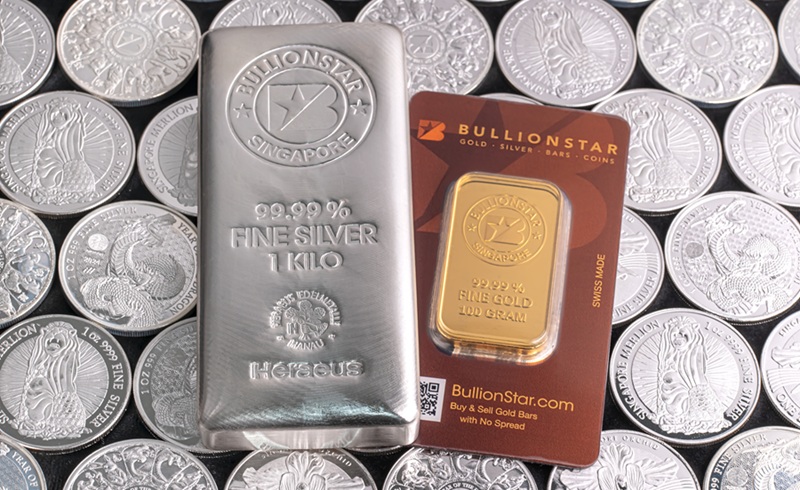
For investors who want gold itself rather than exposure to its price, the answer is to own physical metal outright. BullionStar sells investment-grade gold and silver bullion that meets Singapore’s Investment Precious Metals standard is exempt from GST. You can store it in BullionStar’s vaults in Singapore as fully allocated metal held in your name, with no leverage, no expiry and no counterparty between you and your metal. For more on why that matters, see our guide to why physical gold and silver beat paper.
Subscribe to Gold University Articles
Copyright Information: BullionStar permits you to copy and publicize articles or information from the BullionStar Gold University provided that a link to the article's URL or to https://bullionstar.com is included in your introduction of the article or blog post together with the name BullionStar. The link must be target="_blank" without re="nofollow". All other rights are reserved. BullionStar reserves the right to withdraw the permission to copy content for any or all websites at any time.