 Contact
 Help





Gold Tax and VAT Across Asia


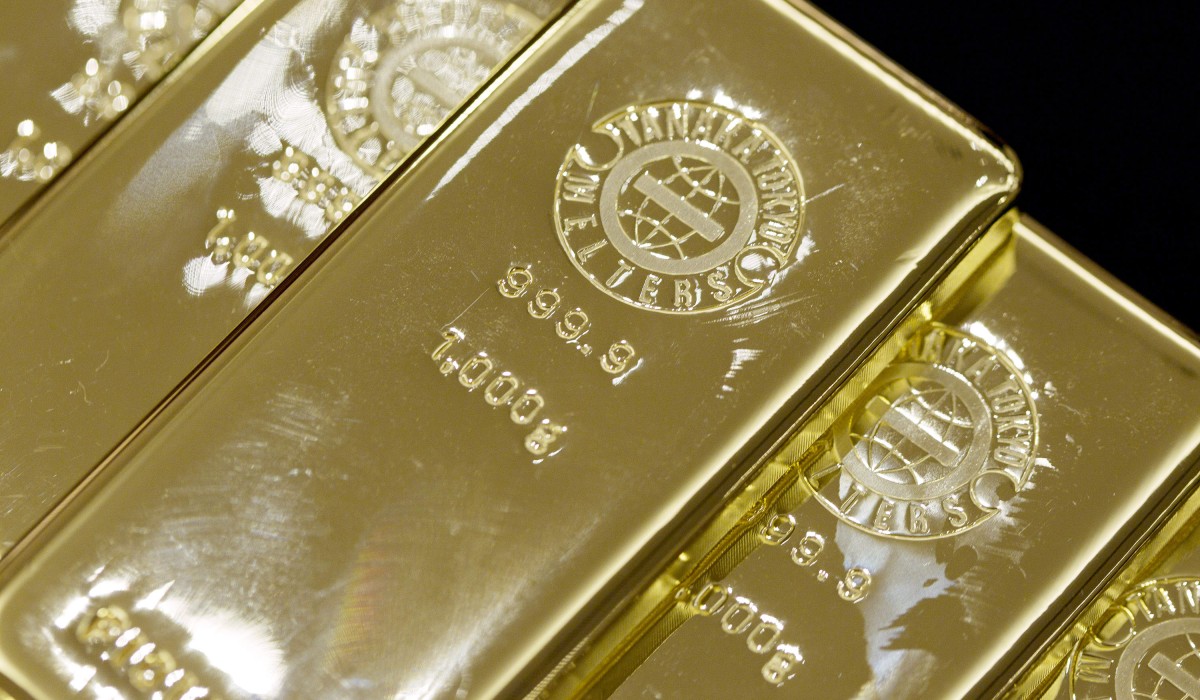
Hong Kong charges no VAT, GST or sales tax on gold bullion. In fact, Hong Kong has never introduced a sales tax of any kind. It levies no import duty on gold and does not tax capital gains, so investment gold can be bought, held and sold there free of tax. Singapore reaches almost the same result by a different route. It charges 9% GST on most goods, but has exempted investment-grade gold from GST since 1 October 2012 under its Investment Precious Metals (IPM) rules.
Across the rest of Asia, the picture changes quickly. In mainland China, gold jewellery and most gold sold to consumers carries 13% VAT. On 1 November 2025, Beijing also narrowed a long-standing VAT break on gold bought through the Shanghai Gold Exchange. India raised its gold import duty from 6% to 15% on 13 May 2026, on top of 3% GST. Japan adds 10% consumption tax to every gold purchase, although sellers receive it back when they sell.
For anyone buying physical gold, those differences matter more than they first appear. Tax is often the largest single cost gap between buying gold in one country and another, and it can easily outweigh the dealer’s premium. A 1 kg gold bar bought in Hong Kong or Singapore costs the gold price plus a small premium. In India, the same bar carries around 18.5% in import duty and GST before any dealer margin is added.
This guide covers how investment gold is taxed across the major markets of Asia. It includes a side-by-side comparison of VAT or GST, import duty and capital gains tax, and explains where in Asia gold can be bought tax-free. We focus on gold only here, as silver and platinum are often taxed differently, even within the same country.
For Singapore’s rules in full, see our guide to GST-exempt Investment Precious Metals. For a detailed explanation of how VAT works through the Shanghai Gold Exchange, see our guide to VAT in the Chinese gold market.
Please note that BullionStar does not provide investment, financial or tax advice. The information below is for informational purposes only and reflects the rules in force as of October 2026. Buying gold in a tax-free jurisdiction removes tax at the point of purchase, but any gain may still be taxable in your country of residence. Tax rules change, and your individual circumstances will always be the most important factor, so please check with a qualified tax adviser before acting on it.

Highlights
- Hong Kong charges no VAT, GST or sales tax on gold, no import duty and no capital gains tax. Investment gold can be bought, held and sold there entirely free of tax.
- Singapore has exempted investment-grade gold from its 9% GST since 1 October 2012 via the Investment Precious Metals scheme. Singapore also has no capital gains tax.
- Mainland China applies 13% VAT to most gold sold to consumers. On 1 November 2025, it cut the VAT deduction on gold withdrawn from the Shanghai Gold Exchange for jewellery making from 13% to 6%, a change that runs until the end of 2027.
- India raised its gold import duty from 6% to 15% on 13 May 2026. With 3% GST on top, the combined tax on imported gold is around 18.5%. Japan and South Korea both charge 10% consumption tax or VAT on gold purchases.
- Buying gold in a tax-free jurisdiction removes tax at the point of sale, but gold taken home pays that country’s import taxes, and any gain may still be taxable where you live.
Gold Tax in Asia at a Glance
Investment gold is taxed at three points: when you buy it (VAT/GST), when it crosses a border (import duty), and when you sell it at a profit (capital gains tax).
The table below compares all three for the main gold markets in Asia. “Investment gold” here means high-purity gold bars and bullion coins, not jewellery. The gains column covers private investors. Anyone buying and selling gold as a business is normally taxed on those profits as business income, even in Hong Kong and Singapore.
| Country | VAT / GST on investment gold | Import duty | Tax on gains (individuals) |
|---|---|---|---|
| Hong Kong | None | None | None |
| Singapore | None on IPM gold (99.5% purity and above); 9% GST on other gold | None; IPM gold is also exempt from import GST | None |
| Mainland China | 13% VAT on most gold sold to consumers; investment gold traded through the Shanghai Gold Exchange is exempt | Only licensed banks and institutions may import | No specific gold tax; 20% income tax on property gains applies in principle |
| India | 3% GST | 15% (10% basic duty plus 5% cess) since 13 May 2026 | 12.5% if held over 24 months; income tax rates if sold sooner |
| Japan | 10% consumption tax, received back when you sell to a dealer | None; 10% consumption tax charged at import | Taxed as income, with a ¥500,000 annual deduction and only half the gain taxed after five years |
| South Korea | 10% VAT; none on gold held within the KRX Gold Market | 3% | None on physical gold |
| Malaysia | None | None | None |
| Thailand | None on gold bars | None on gold bullion | No specific gold tax; gains may be taxable if the gold was bought for profit |
| Indonesia | VAT not collected on 99.99% gold bars; 0.25% income tax prepayment on bullion bank purchases over IDR 10 million | None | Taxed as income at 5% to 35% |
Hong Kong and Malaysia leave investment gold untaxed at all three points, and Thailand comes close, with no VAT or import duty on gold bars and no specific tax on gold gains. Singapore matches them for gold that meets its IPM purity standard, which covers almost all bullion bars and coins sold by reputable dealers. At the other end, India layers import duty and GST on every bar before any dealer margin, and Japan, South Korea and mainland China all apply consumption tax or VAT at the point most buyers take physical delivery. The sections below explain each country’s rules in more detail.
Hong Kong: No VAT or Sales Tax on Bullion
Hong Kong charges no VAT, GST or sales tax on gold bullion, gold coins or gold jewellery. This isn’t a special exemption for gold. Hong Kong has never introduced a broad tax on goods and services. A GST was proposed in 2006 and then shelved after strong public opposition, so the price you pay a Hong Kong dealer for gold carries no consumption tax at all.
No Import Duty on Gold
Hong Kong is a free port. According to Hong Kong Customs, it “does not levy any Customs tariff on imports and exports”. The only goods that carry duty are four excise categories: liquor, tobacco, hydrocarbon oil and methyl alcohol. Gold bullion can be brought into Hong Kong or shipped out without any duty being paid. Commercial shipments still need the usual import and export declarations, but these are administrative and carry no tax.
No Capital Gains Tax
Hong Kong doesn’t tax capital gains. A private investor who buys gold and later sells it at a profit pays no tax on the gain. The exception is trading. Profits from buying and selling gold as a business are subject to Hong Kong profits tax, as they would be in most places. The line between investing and trading depends on factors such as how often you buy and sell and why.
Buying Gold in Hong Kong
While there’s no tax, there is regulation. Since 1 April 2023, dealers in precious metals and stones that handle transactions of HK$120,000 or more must register with Hong Kong Customs under the city’s anti-money laundering rules. For cash transactions at or above that amount, dealers must check and record the customer’s identity and keep those records for at least five years. A larger cash purchase from a Hong Kong dealer will therefore need identification, just as it would in Singapore.
Hong Kong is also building up its role as a gold trading centre. Trial operation of a new central gold clearing system began on 7 July 2026. It’s run by the Hong Kong Precious Metals Central Clearing Company, which has joined the Shanghai Gold Exchange as an international member. Alongside it, the government aims to expand Hong Kong’s gold storage capacity to more than 2,000 tonnes within three years. Much of that infrastructure is designed to link Hong Kong’s gold market more closely with mainland China’s.
Hong Kong’s tax-free treatment applies within Hong Kong only. Gold bought there and then carried or shipped to another country falls under that country’s import rules and taxes, including those of mainland China, which are covered below.

Singapore: The IPM GST Exemption
Singapore charges 9% GST on most goods, but investment-grade gold has been exempt since 1 October 2012 under the Investment Precious Metals (IPM) rules. To qualify, gold must be at least 99.5% pure, with bars made by a refiner on the current or former LBMA Good Delivery List. Qualifying gold is also exempt from GST when it’s imported into Singapore, and no customs duty applies. Singapore has no capital gains tax, so a private investor who sells gold at a profit pays no tax on the gain. Profits from trading gold as a business are taxed as income.
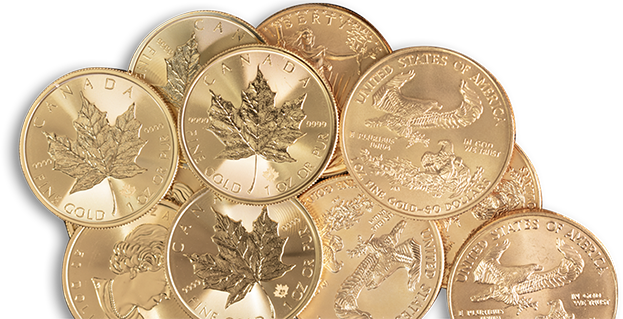
The exemption covers almost every bar and most bullion coins sold by reputable dealers, but not all gold. Coins struck in 22 karat gold at 91.67% purity fall below the threshold and carry 9% GST when sold in Singapore. Examples include the Krugerrand, the American Gold Eagle and the Sovereign. The exemption applies equally to Singapore residents and overseas buyers, and to gold that’s delivered, collected or stored in a Singapore vault. For the full rules, see our guide to GST-exempt Investment Precious Metals.
China: VAT on Gold and the Shanghai Gold Exchange
Mainland China’s standard VAT rate is 13%, and it applies to gold as it moves through the supply chain to consumers. The exception is the Shanghai Gold Exchange (SGE). Gold traded between members on the exchange is exempt from VAT. VAT only comes into play once gold is withdrawn from the SGE system and starts making its way to buyers. Importing gold into China is tightly controlled. Only banks and institutions licensed by the People’s Bank of China may bring gold in, and almost all of it is routed through the SGE.
On 1 November 2025, China changed how gold withdrawn from the exchange is taxed. VAT is now treated differently depending on what the gold is used for. Gold withdrawn for investment, such as the branded bars sold by China’s large banks, keeps its favourable treatment, but the invoices issued for it no longer carry VAT that the buyer can deduct. Gold withdrawn for other uses, chiefly jewellery making, now earns a VAT deduction of only 6% of its cost, down from the full 13% before. The rules apply until 31 December 2027.
Jewellers faced a higher tax bill on every gram, and most of that cost is passed on to customers. The World Gold Council’s figures show Chinese jewellery demand in the fourth quarter of 2025 fell 23% from a year earlier, to its lowest fourth quarter since 2008. Investment bars and coins were largely unaffected, and demand for them jumped 42% to a record 119 tonnes for a fourth quarter. For a private investor buying bars from a mainland bank, the tax cost is broadly unchanged. For someone buying gold as jewellery, it’s now noticeably higher.
The full mechanics are covered in our guide to VAT in the Chinese gold market. It explains how the SGE exemption works, the types of VAT invoice and the November 2025 changes. For the wider picture, see our guide to the Chinese gold market.

India, Japan and the Rest of Asia
Outside Hong Kong and Singapore, most Asian countries tax gold at some point between the refinery and the buyer. Some apply consumption tax at the point of sale, while others tax gold as it crosses the border. A few, such as South Korea and mainland China, have set up special channels that remove or reduce the tax.
India Gold Tax
India taxes gold at both ends. Imported gold pays customs duty, and every purchase then carries 3% GST. On 13 May 2026, the government raised the import duty on gold from 6% to 15%, made up of 10% basic customs duty and a 5% agriculture infrastructure cess. It was a sharp reversal of the July 2024 budget, which had cut the duty from 15% to 6%. The government said the increase was aimed at supporting the rupee and narrowing the current account deficit. Because GST is charged on the duty-inclusive value, the combined tax on imported gold now comes to around 18.5% before any dealer margin.
Gains are taxed too. Physical gold held for more than 24 months is taxed at 12.5% as a long-term capital gain, without indexation. Gold sold within 24 months is added to income and taxed at the seller’s normal income tax rate.
India’s import rules also apply to travellers. Under the Baggage Rules, 2026, in force since 2 February 2026, gold bars and coins have no duty-free allowance and are dutiable from the first gram. Duty-free gold jewellery is limited to 40 grams for women and 20 grams for other passengers, and only for those who have lived abroad for more than a year.
Japan Gold Tax
Japan applies its 10% consumption tax to gold purchases, and the same 10% is charged at customs when gold is imported, although there’s no import duty as such. The tax works differently from most countries’ VAT, though. When an individual sells gold back to a dealer in Japan, the dealer pays the market price plus 10% consumption tax, so the tax paid on the way in is largely recovered on the way out. That symmetry has made Japan a target for smugglers. Gold brought in without paying the import tax can be sold to a dealer with the 10% added on top, and the authorities have stepped up enforcement against this since 2024.
Gains from selling gold are taxed as transfer income, added to the seller’s other income and taxed at progressive rates. A ¥500,000 annual special deduction applies, and only half the gain is taxed on gold held for more than five years. Dealers must report sales of gold over ¥2 million to the tax authorities.
South Korea Gold Tax
South Korea charges 10% VAT on gold bars, and imported gold faces a standard customs tariff of 3%. The exception is the KRX Gold Market, run by the Korea Exchange since 2014. Gold bought and held on the exchange is free of VAT, and gains on it aren’t taxed. The 10% VAT is only charged if the buyer withdraws the physical gold from the exchange’s custodian. Gains from selling physical gold bars are generally not taxed for individuals.
Malaysia, Thailand and Indonesia Gold Tax
Malaysia doesn’t apply its Sales and Service Tax (SST) to gold. When the SST was expanded on 1 July 2025, the Treasury confirmed that gold purchases would remain outside it. Malaysia charges no import duty on gold bullion and has no capital gains tax on gold for individuals.
Thailand exempts gold bars from VAT, and there’s no import or export duty on gold bullion. Gold jewellery is treated differently, with VAT charged on the value added by the manufacturer and retailer rather than on the gold content. Thailand has no specific capital gains tax on gold, although gains on gold bought for profit may be taxable as income.
Indonesia classes gold bars as goods on which VAT is not collected, so buyers of 99.99% bars pay no VAT. Since 1 August 2025, a 0.25% income tax prepayment applies to gold bar purchases from Indonesia’s licensed bullion banks over IDR 10 million. Smaller purchases are exempt. Gains from selling gold are taxed as income at Indonesia’s progressive rates of 5% to 35%.
Where to Buy Bullion Tax-Free in Asia
Is gold tax-free? In most of Asia, no. A few countries, including Malaysia and Thailand, leave investment gold largely untaxed, but Hong Kong and Singapore are the region’s two main bullion hubs where gold can be bought, stored and sold with no VAT, no GST, no import duty and no capital gains tax. Everywhere else covered in this guide taxes gold at some point, whether on purchase, at the border or when it’s sold at a profit.
Singapore and Hong Kong Compared
On tax alone, the two are close to identical for investment gold. Hong Kong charges no consumption tax on any gold, including jewellery and 22 karat coins. Singapore exempts gold that meets its IPM standard and charges 9% GST on the rest. For bars and the main bullion coins, the result is the same: no tax on the way in and none on the way out.
The difference is the jurisdiction behind the tax rules. Singapore is widely regarded as politically neutral, with a long record of stable government, strong rule of law, no capital controls and a currency managed independently of any larger power. Hong Kong’s market is increasingly tied to mainland China’s. Its new gold clearing system has joined the Shanghai Gold Exchange, and much of its planned storage capacity is designed to serve flows between Hong Kong and the mainland. For some buyers that’s an advantage. For others, especially those holding gold as protection against political and financial risk, the choice of jurisdiction matters as much as the tax rate.
Why Storage Location Matters
Buying gold tax-free is only half the question. The other half is where the gold goes next. Gold bought in Singapore and carried home to India attracts India’s import duty and GST at the border, and the same applies in Japan, South Korea and most other countries. The tax that was avoided at the point of purchase is simply paid on arrival.
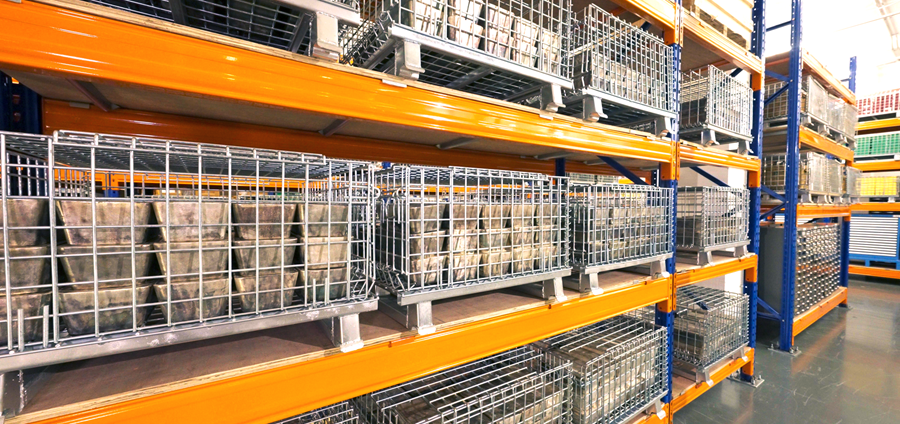
Vault storage in Singapore avoids this. Gold that’s bought and stored in Singapore never enters your home country, so no import duty or VAT is triggered. It stays held in your name in a jurisdiction that doesn’t tax it, and it can be sold back from the vault without ever being moved. Our guide to offshore gold storage in Singapore explains why many international investors choose to hold their gold there.
Selling Gold Tax-Free
The same applies when you sell. Neither Singapore nor Hong Kong taxes capital gains for private investors, so gold sold there carries no tax on the profit. BullionStar buys back gold at live prices, including directly from vault storage, so a holding can be bought, stored and sold entirely within Singapore. You can find our live buy-back rates on our sell gold page.
Tax at Home Still Applies
Buying and selling in a tax-free jurisdiction removes the tax at the point of sale, but it doesn’t change where you’re taxed as an individual. Most countries tax their residents on gains made anywhere in the world, and any profit on gold held in Singapore or Hong Kong may still be taxable in your country of residence.
Many countries also require residents to report assets held abroad, and some restrict what residents can buy overseas. India, for example, limits overseas investment under its foreign exchange rules and requires residents to declare foreign assets in their tax returns. Check the rules where you live before buying and selling gold abroad.
Frequently Asked Questions
Is there VAT on gold in Hong Kong?
No. Hong Kong has no VAT, GST or sales tax on any goods, including gold bullion, gold coins and gold jewellery. It’s also a free port that charges no import duty on gold, and it doesn’t tax capital gains, so private investors can buy, hold and sell gold there free of tax.
Which Asian countries have tax-free gold?
Hong Kong, Singapore and Malaysia don’t charge consumption tax on investment gold, and none of them taxes private investors’ gains on it. In Singapore, the GST exemption applies to gold of at least 99.5% purity under the Investment Precious Metals rules. Thailand also exempts gold bars from VAT, and Indonesia doesn’t collect VAT on them. India, Japan and South Korea all tax gold at the point of purchase.
Does China charge VAT on gold?
Yes, mainland China applies its 13% VAT to most gold sold to consumers, including jewellery. Gold traded on the Shanghai Gold Exchange is VAT-exempt. Since 1 November 2025, gold withdrawn from the exchange for jewellery making only earns a 6% VAT deduction instead of 13%, which has pushed jewellery prices up. Investment bars bought from mainland banks have been largely unaffected.
What is India’s gold import duty?
Since 13 May 2026, India’s import duty on gold has been 15%, made up of 10% basic customs duty and a 5% agriculture infrastructure cess. Gold also carries 3% GST, charged on the duty-inclusive value, bringing the combined tax on imported gold to around 18.5%. Gold bars and coins carried by travellers have no duty-free allowance.
Is Singapore or Hong Kong better for buying gold?
On tax, the two are almost identical for investment gold. Neither charges consumption tax, import duty or capital gains tax on bullion bars and coins. The main difference is the jurisdiction. Singapore is widely seen as politically neutral, with strong rule of law and no capital controls. Hong Kong’s gold market is increasingly tied to mainland China’s through its links with the Shanghai Gold Exchange.
Do I pay tax buying gold as a foreigner in Singapore?
No, not on investment gold. Singapore’s GST exemption for Investment Precious Metals applies to everyone, whether resident or not, and whether the gold is collected, delivered or stored in a Singapore vault. Gold shipped out of Singapore may be taxed on import. Check your local gold import rules to avoid any costly surprises.
Buying Bullion Tax-Efficiently in Asia
Across Asia, the tax on investment gold ranges from nothing at all to around 18.5% before a dealer has added a cent of margin. Where you buy matters, but so does where the gold ends up. Gold bought tax-free and then carried home to a country with import duty or VAT simply pays that tax at the border.
For most international investors, the most tax-efficient route is to buy gold in a jurisdiction that doesn’t tax it and to keep it there. Singapore offers that combination. Investment gold is exempt from GST under the Investment Precious Metals rules, there’s no capital gains tax, and gold held in a Singapore vault can be bought, stored and sold without ever crossing a border. Singapore adds political neutrality, strong rule of law and the absence of capital controls, which matter just as much to anyone holding gold for the long term.
Browse our full range of gold bullion. You can hold your gold securely in your own name with vault storage in Singapore and sell it back at any time at live prices. If you have questions about buying or storing gold from outside Singapore, our team at support@bullionstar.com will be happy to help.
Subscribe to Gold University Articles
Copyright Information: BullionStar permits you to copy and publicize articles or information from the BullionStar Gold University provided that a link to the article's URL or to https://bullionstar.com is included in your introduction of the article or blog post together with the name BullionStar. The link must be target="_blank" without re="nofollow". All other rights are reserved. BullionStar reserves the right to withdraw the permission to copy content for any or all websites at any time.