 Contact
 Help
Help





18K Gold: Purity, Properties & Jewelry Guide
 Gold & Silver 101



18K gold is a gold alloy containing 75% pure gold, with the remaining 25% made up of other metals, typically copper, silver, or palladium. In the millesimal fineness system, where purity is expressed as a number out of 1000, 18K gold carries a fineness of 750, which is why hallmarked 18K pieces are stamped 750. It is the dominant purity for fine jewelry across Western markets — the karat used in engagement rings, high-end watches, and designer pieces, where the richness of the gold’s appearance and the prestige of high gold content both matter.
As an investment metal, 18K gold has limited appeal. Its purity falls below the 99.5% threshold required for Singapore’s Investment Precious Metal (IPM) GST exemption, and at three-quarters of the gold content of 24K bullion, it is not a purity that gold investors typically seek out. The value of an 18K piece reflects craftsmanship and design as much as metal content.
If you hold 18K gold jewelry and are looking to sell, we buy 18K pieces, at competitive rates based on the prevailing gold price. Visit our sell gold jewelry page for more information.
In this guide, we cover what 18K gold is, how it compares to other karats, its role as the standard purity for fine jewelry worldwide, and answers to the most common questions about this purity.
What Is 18K Gold? Purity and Composition
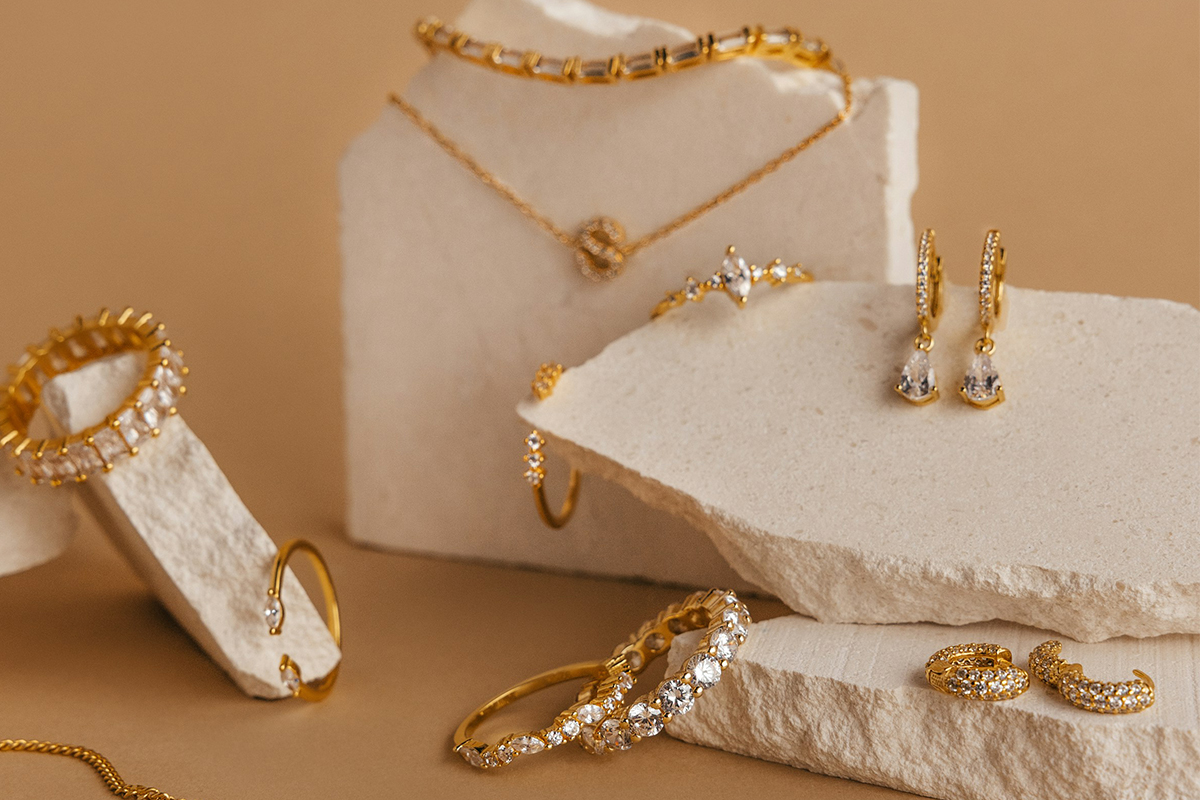
18K gold contains 75% pure gold, with the remaining 25% made up of other metals — typically copper, silver, or palladium. The “K" stands for karat, a traditional system that measures gold purity in parts of 24. 18K gold contains 18 of those 24 parts as pure gold.
The specific alloy mix varies by manufacturer, but the proportions of these metals determine the physical properties and colour of the finished alloy. Yellow 18K gold uses a balanced mix of copper and silver to produce a warm, distinctly golden tone — noticeably richer than lower-karat alloys. Rose gold uses a higher proportion of copper, producing a warmer, pinkish hue. White gold replaces copper and silver with palladium or nickel, producing a silver-white finish that is typically enhanced with rhodium plating. At 18K, white gold is commonly made with palladium rather than nickel, which produces a higher-quality finish and avoids the nickel sensitivity that affects some wearers.
In the millesimal fineness system, where gold purity is expressed as a number out of 1000, 18K gold has a fineness of exactly 750. The 750 stamp is the standard hallmark for 18K gold worldwide, and any reputable 18K piece should carry it.
18K vs Other Karats
Pure gold is too soft for most practical applications, it scratches, bends, and marks easily under everyday handling. Gold alloys address this by mixing gold with harder metals to increase durability while retaining as much gold content as possible. The karat indicates how much of the alloy is pure gold. At 75%, 18K sits near the top of this scale: durable enough for daily wear, yet high enough in purity to give fine jewelry its distinctive richness and prestige.
| Karat | Purity | Fineness stamp | Durability | Typical use |
|---|---|---|---|---|
| 24K | 99.9% | 999 / 999.9 | Low | Bullion bars, coins, investment jewelry |
| 22K | 91.67% | 916 | Moderate | Investment coins, Asian jewelry |
| 18K | 75% | 750 | Good | Fine jewelry, watches, engagement rings |
| 14K | 58.3% | 585 | Very good | Everyday jewelry, chains, rings |
| 10K | 41.7% | 417 | Excellent | Budget jewelry |
18K vs 24K Gold
The key difference between 18K and 24K gold is durability. 24K gold is 99.9% pure and the benchmark for investment-grade bullion, but its near-total absence of alloy metals makes it soft — prone to scratching and deformation under regular handling. By contrast, 18K’s 25% alloy content makes it considerably harder and far better suited to jewelry worn daily.
For investment, the comparison favours 24K gold bullion. It qualifies for Singapore’s GST exemption as an Investment Precious Metal, is straightforward to value against the gold spot price, and is easy to resell. 18K does not meet the 99.5% purity threshold for the exemption. For fine jewelry, however, 18K is the practical standard — durable enough for everyday wear, and with a gold content that gives it the rich yellow colour and prestige that 24K buyers are drawn to.
18K vs 22K Gold
22K gold, at 91.67% pure, contains significantly more gold than 18K and is the traditional choice for high-purity jewelry across India, the Middle East, and Southeast Asia. It is also the purity used in some of the world’s most recognised investment coins, including the British gold Sovereign and the gold Krugerrand.
Against 22K, 18K’s advantages are durability and versatility. The higher alloy content makes 18K meaningfully harder, better suited to pieces subject to daily wear — particularly rings. It also opens up a wider range of colours: palladium or nickel produces white gold, copper produces rose gold. Neither purity qualifies for Singapore’s IPM GST exemption. For buyers prioritising gold content above all, 22K is the stronger choice. For those wanting a durable fine jewelry piece with more design flexibility, 18K is the practical standard.
18K vs 14K Gold
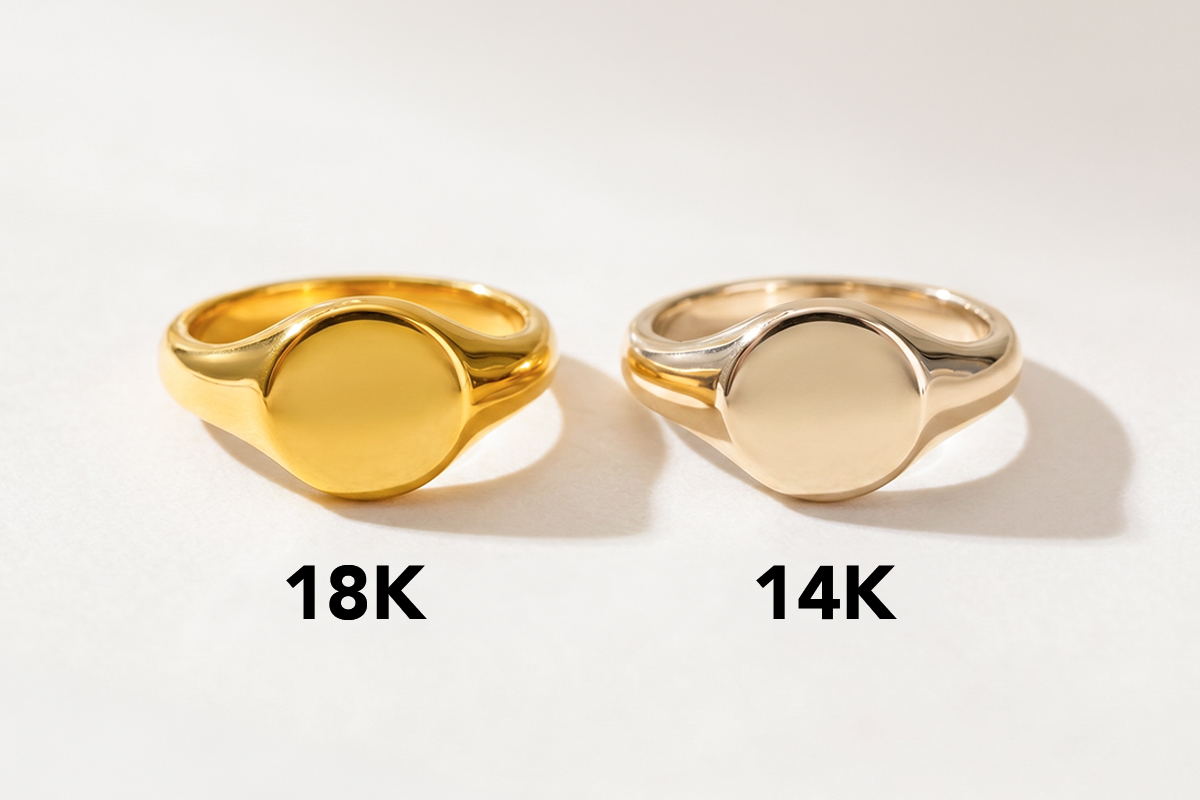
This is the most common comparison for fine jewelry buyers, and the choice that most often comes down to how a piece will be worn. 18K gold contains 75% pure gold while 14K gold has 58.3%, giving it a noticeably richer yellow colour and a higher intrinsic metal value per gram — reflected in a higher price per finished piece. It is the standard for fine jewelry globally, including engagement rings, high-end watches, and designer pieces, where both the appearance and the gold content matter to the buyer.
14K’s advantage is durability and value for money. The higher alloy content makes it harder and more resistant to scratching than 18K, and its lower gold content means a lower price per finished piece. This makes 14K the dominant choice for everyday jewelry in the United States — chains, wedding bands, and pieces worn without much thought for the metal. For buyers investing in a statement piece, an engagement ring, or any item where the richness of appearance and gold content are part of the purchase, 18K is the more appropriate choice.
18K Gold Jewelry
18K gold is the dominant purity for fine jewelry across Western markets and much of the world. Where 14K has become the practical standard for everyday jewelry in the United States, 18K occupies a different tier — it is the karat associated with quality, prestige, and longevity. Engagement rings, high-end watches, and designer jewelry are overwhelmingly produced at 18K, as are the fine jewelry ranges of most European luxury houses. The 750 hallmark carries an understood meaning among jewelry buyers: this is the serious choice.
The richer colour of 18K relative to lower-karat alloys is part of its appeal, particularly in yellow gold. At 75% purity, the gold tone is noticeably warmer and deeper than 14K, and closer to the appearance of pure gold without sacrificing the durability that makes a piece wearable over years of daily use. For white gold and rose gold, 18K is similarly the standard at the fine end of the market, where the quality of the metal and finish matter as much as the design.
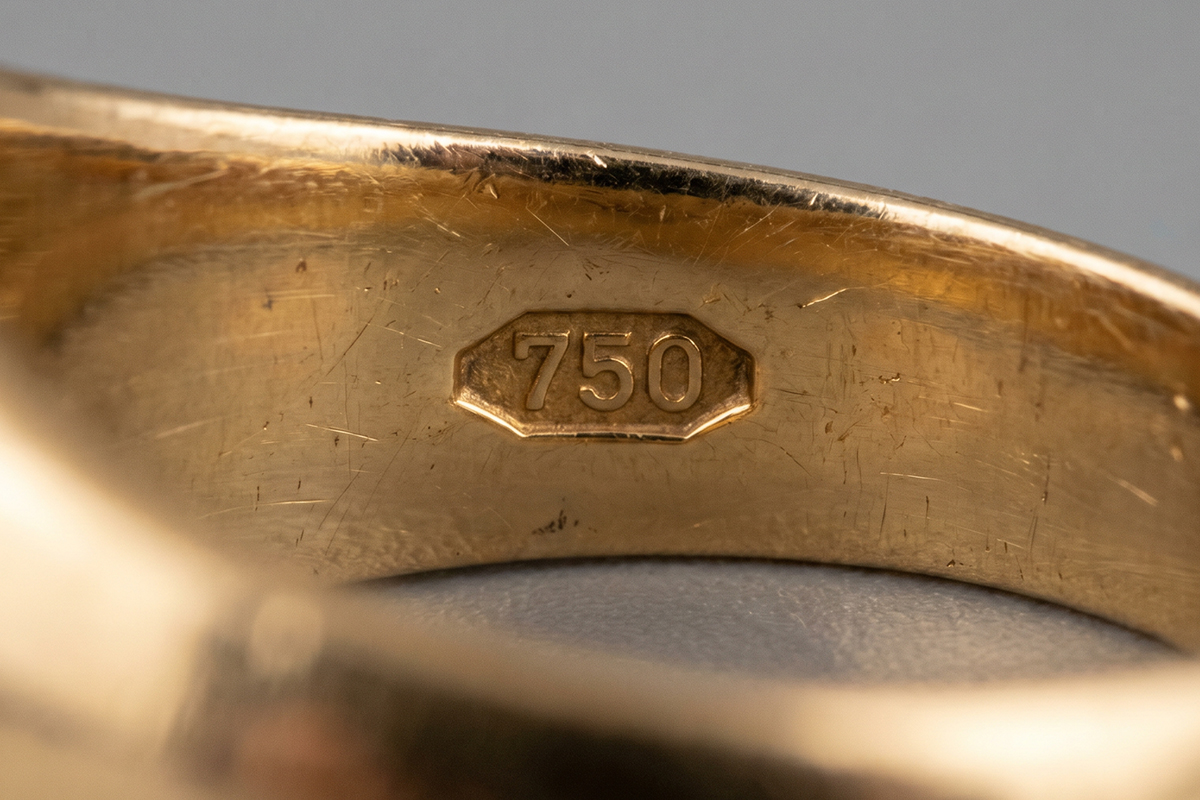
If you hold 18K gold jewelry — whether rings, necklaces, or other pieces — and are looking to sell, BullionStar buys 18K gold at competitive rates based on the prevailing gold price and the gold content of your item. Visit our sell gold jewelry page for more information on how the process works.
18K Gold for Investment
18K gold is rarely the choice for investment. At 75% purity, it falls well below the 99.5% threshold required for Singapore’s Investment Precious Metal (IPM) GST exemption, adding to the cost of ownership in a way that does not apply to 24K alternatives. Valuing an 18K piece also requires adjusting for alloy content — straightforward in principle, but an added complication that pure bullion does not require. For investors focused on accumulating gold efficiently, 24K remains the clear choice.
18K Gold Coins
Unlike 22K gold, which underpins some of the world’s most widely traded investment coins — the British gold Sovereign, the Krugerrand, and the American gold Eagle — there are no mainstream bullion coin series struck at 18K. Some historical and commemorative coins have been produced at this purity, but they carry none of the global liquidity of recognised bullion coins and are not standard investment vehicles. Investors interested in gold coins are generally better served by 24K coins such as the Canadian gold Maple Leaf or gold Britannia, both of which qualify for Singapore’s GST exemption.
18K Gold Bars
18K gold bars exist, produced primarily as trade products for the jewelry industry rather than as investment bullion. They are not recommended for investment purposes: they do not qualify for Singapore’s IPM GST exemption, require alloy adjustment for accurate valuation, and offer limited resale liquidity compared to 24K alternatives. Investors looking to hold gold in bar form should consider 24K gold bars — GST-exempt in Singapore, produced in standardised weights by the world’s leading refiners, and simple to value and resell.
Frequently Asked Questions
Does 18K gold tarnish?
18K gold contains 25% alloy metals, primarily copper, which can react slowly with moisture, oxygen, and chemicals over time. In practice, 18K is more tarnish-resistant than lower-karat alloys such as 14K or 10K, as the higher gold content limits the proportion of reactive metals in the alloy. Well-maintained pieces are unlikely to show significant discolouration under normal conditions, but exposure to harsh chemicals, perfumes, and chlorinated water could accelerate surface dulling.
Can 18K gold get wet?
Occasional water exposure, such as washing hands or light rain, is unlikely to cause any immediate damage to 18K gold. Prolonged or repeated exposure to chlorinated water, salt water, or cleaning products is more likely to affect the alloy metals over time, potentially dulling the surface finish.
Is 18K gold real gold?
Yes. The karat system measures the proportion of gold in an alloy, not whether a metal qualifies as gold. 18K gold contains 18 parts gold out of 24 (75% pure gold) and is certified by the 750 hallmark stamped on reputable pieces. It is real gold, produced and traded to a defined and independently verified standard.
What is 18k gold as a percentage?
18K gold is 75% pure gold. The karat system divides gold purity into 24 parts; 18 divided by 24 gives 0.75, or 75%. In the millesimal fineness system used on hallmarks and bullion, this is expressed as 750. A piece stamped 750 contains 750 parts gold out of 1000 — the same purity expressed differently.
How much is 18k gold worth?
18K gold is worth 75% of the prevailing spot price of pure gold. To calculate the intrinsic value of an 18K item, multiply the current gold spot price by 0.75, then multiply by the weight of the piece. For jewelry, the retail price will also reflect craftsmanship and design, but this premium is generally not recovered on resale. When it comes to selling 18K gold, the price you get will usually be as calculated above, with a further margin taken by the dealer to cover costs such as testing and processing. BullionStar’s live sell gold calculator lets you select your purity and enter the weight for an indicative value. Visit our sell gold jewelry page to try it.
Is 18K gold worth buying?
It depends on your purpose. For jewelry, 18K is the globally recognised standard for fine pieces, offering a rich appearance, meaningful gold content, and enough durability for daily wear. For investment, it is less appropriate: 18K does not qualify for Singapore’s IPM GST exemption, and its value reflects craftsmanship as much as metal content. Buyers looking to hold gold for investment are generally better served by 24K gold bullion products, which are GST-exempt in Singapore, straightforward to value, and easy to resell.
What’s the difference between 18K and 14K?
The key differences are gold content, appearance, and intended use. 18K contains 75% pure gold against 14K’s 58.3%, giving it a noticeably richer yellow colour and a higher intrinsic metal value per gram. 14K’s greater alloy content makes it harder and more resistant to scratching, and its lower gold content means a lower price per piece, making it the dominant choice for everyday jewelry in the United States. 18K is the standard for fine jewelry — engagement rings, watches, and pieces where appearance and gold content are central to the purchase.
Sell Your 18K Gold at BullionStar
18K gold occupies a well-defined place in the gold market. It is not an investment metal — its purity falls below the threshold for Singapore’s GST exemption, and the value of an 18K piece reflects craftsmanship and design as much as it does metal content. But as the global standard for fine jewelry, it has earned that position on its own merits: rich in appearance, durable enough for daily wear, and the purity behind the engagement rings, watches, and designer pieces that define the fine end of the market.
If you hold 18K gold jewelry and are looking to sell, BullionStar buys gold at competitive rates based on the prevailing gold price and the fine gold content of your item. The process is straightforward — the 750 hallmark tells us exactly what we need to know about purity, and we price accordingly. Visit our sell gold jewelry page to find out how to sell your gold at BullionStar.
For those looking to buy gold for investment, 24K gold remains the benchmark — GST-exempt in Singapore, straightforward to value, and available in a wide range of gold bars and gold coins from the world’s leading refiners.
Popular Blog Posts by Gold & Silver 101
 An Introduction to Gold & Silver Investing
 Should I Invest in Gold, Silver, or Platinum Bullion?
 Gold Coins vs Gold Bars: Which Is Better?
 How Is Gold Taxed in Singapore? The IPM GST Exemption Explained
 Storing Precious Metals, Gold, and Silver Bullion
 Gold & Silver Bullion Investing FAQs
 How Much Gold Is There in the World?
 Junk Silver: What It Is and What It’s Worth
 999 Fine Silver: Investment-Grade Silver Explained
 Gold Savings Account vs Bullion Savings