 Contact
 Help
Help





How to Invest in Precious Metals: A Complete Guide
 Gold & Silver 101



If you’re weighing up how to invest in precious metals, gold and silver are usually the starting point, but they’re no longer the whole picture. Platinum and palladium each offer their own risk and demand profile, and a growing number of investors now hold some combination of all four as part of a diversified portfolio.
It’s worth considering that gold, silver, and platinum all qualify for Singapore’s Investment Precious Metals (IPM) exemption from GST, while palladium doesn’t. This is a real practical difference that makes gold, silver, and platinum the primary choices for most investors buying/storing in Singapore, with palladium better suited as a smaller diversification holding. Physical bullion, ETFs, and mining stocks all offer different ways in, each with its own balance of ownership, cost, and risk.
At BullionStar, we’ve been helping customers invest in precious metals since 2012. In this guide, we walk through why investors hold precious metals, how gold, silver, platinum, and palladium compare, the different ways to invest in each, and how to think about building a precious metals allocation that fits your goals.
Please note that BullionStar does not provide investment or financial advice. The information below is for informational purposes only. Your individual circumstances and goals will always be the most important factors in any investment decision.
Why Invest in Precious Metals?
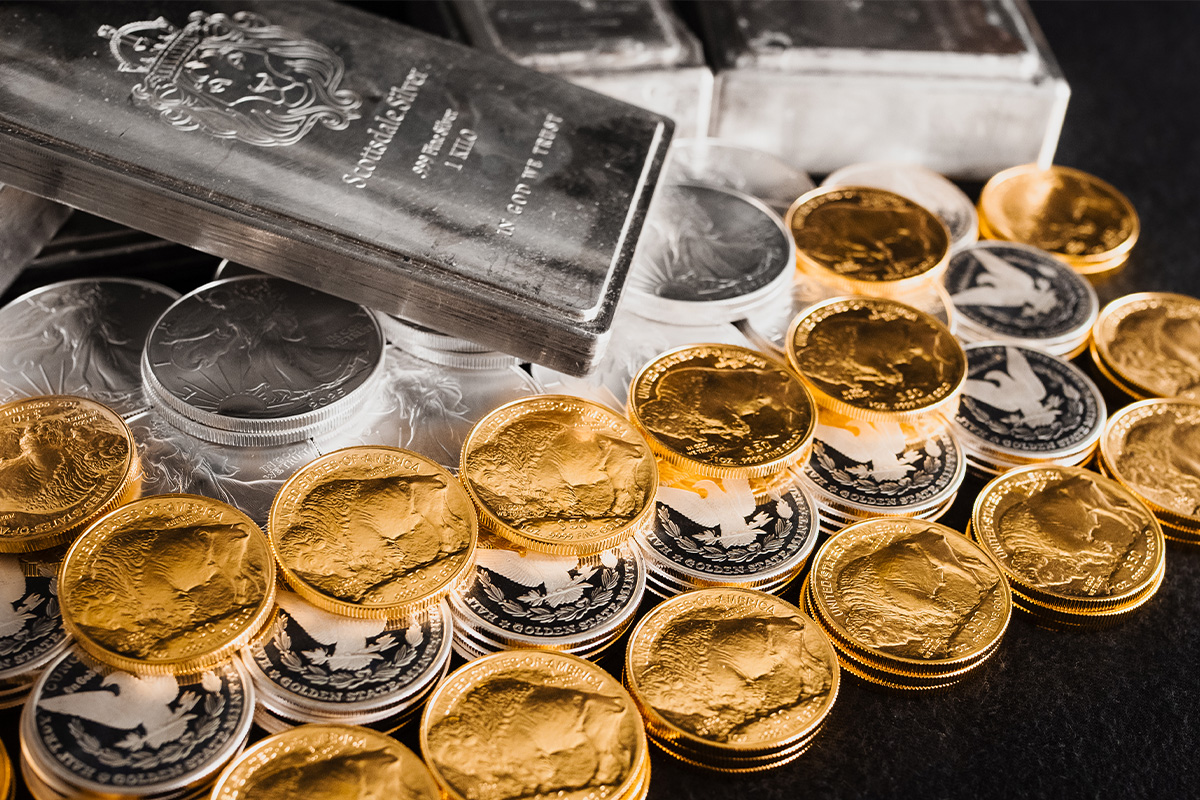
Why invest in precious metals at all, when stocks, bonds, and cash form the core of most portfolios? The case rests on four related ideas: store of value, inflation protection, diversification, and crisis protection. All four precious metals, gold, silver, platinum, and palladium, offer some version of this case, even though the mix of reasons differs by metal.
Gold and silver have been used as money and stores of value for thousands of years, and central banks continue to hold gold as reserves for exactly that reason. Platinum and palladium don’t share that same monetary history, but they’re still finite, physically scarce assets whose value doesn’t depend on any government or company’s promises. That distinction is the common thread linking all four metals in physical form, and it’s a large part of why investors turn to precious metals during periods of currency debasement or financial stress.
Inflation protection follows a similar logic. Currencies lose purchasing power over time as central banks expand the money supply. Precious metals, being finite and costly to mine and refine, have historically held their value far better than fiat currencies over long periods. This doesn’t mean precious metals rise in a straight line, all four can be volatile over shorter periods, but their long-term track record as a store of value is what draws investors in the first place.
Types of Precious Metals
There are four main types of precious metals available to investors: gold, silver, platinum, and palladium. Each is driven by a different mix of demand, which is also where their diversification value comes from. Gold is driven mostly by monetary and safe-haven demand; silver splits between monetary and industrial use; platinum and palladium are overwhelmingly industrial, tied to automotive catalytic converters and, increasingly, hydrogen fuel cells. That spread of demand drivers means the four metals don’t move in lockstep with each other, or with stocks and bonds, which is exactly what makes a small allocation across precious metals valuable in a broader portfolio.
For a closer look at each metal individually, including the specific case for and against, see the profiles below.
The Four Precious Metals
Many investors ask us “Which are the best precious metals to invest in?" Although there’s no single best precious metal to buy, most portfolios follow a general pattern. Gold forms the core of their holding, silver is the primary diversifier, while platinum and palladium take a smaller place for additional industrial opportunities.
Each of the four precious metals serves a different purpose, and the right mix depends on your goals, risk tolerance, and tax treatment in your jurisdiction. Here’s a brief profile of each, with links to our full analysis on whether each metal is worth buying today.
Gold
Gold is the foundation of most precious metals portfolios: a monetary metal with thousands of years of history as a store of value, low industrial demand, and the deepest, most liquid market of the four. It qualifies as an Investment Precious Metal (IPM) in Singapore, making it exempt from GST. See our full breakdown in Is Gold a Good Investment?
Silver
Silver shares gold’s monetary history but splits its demand with industrial applications like solar panels and electronics, giving it a different, often more volatile, risk profile. Like gold, it’s GST-exempt in Singapore as an IPM. See our full breakdown in Is Silver a Good Investment?
Platinum
Platinum trades at a steep discount to gold today, despite decades of trading at a premium to it, and is driven mostly by diesel vehicle catalytic converters and a growing hydrogen fuel cell market. It also qualifies for Singapore’s IPM exemption, unlike its sister metal palladium. See our full breakdown in Is Platinum a Good Investment?
Palladium
Palladium is the most industrial and most volatile of the four, with roughly 80% of demand coming from petrol and hybrid vehicle catalytic converters, and supply concentrated almost entirely in Russia and South Africa. Unlike gold, silver, and platinum, it doesn’t qualify for Singapore’s IPM exemption, so GST applies. See our full breakdown in Is Palladium a Good Investment?
If you’re trying to choose between metals rather than researching each individually, our Should I Invest in Gold, Silver, or Platinum Bullion? guide walks through that decision directly.
Ways to Invest in Precious Metals
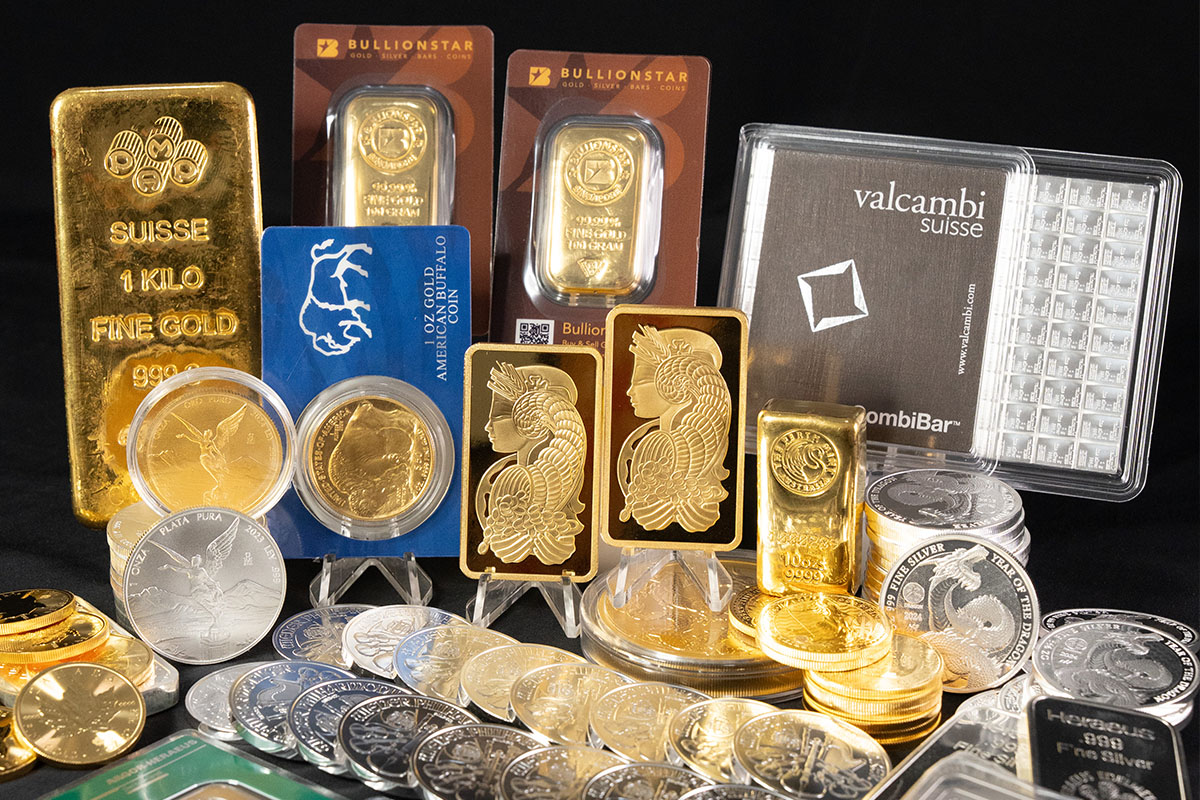
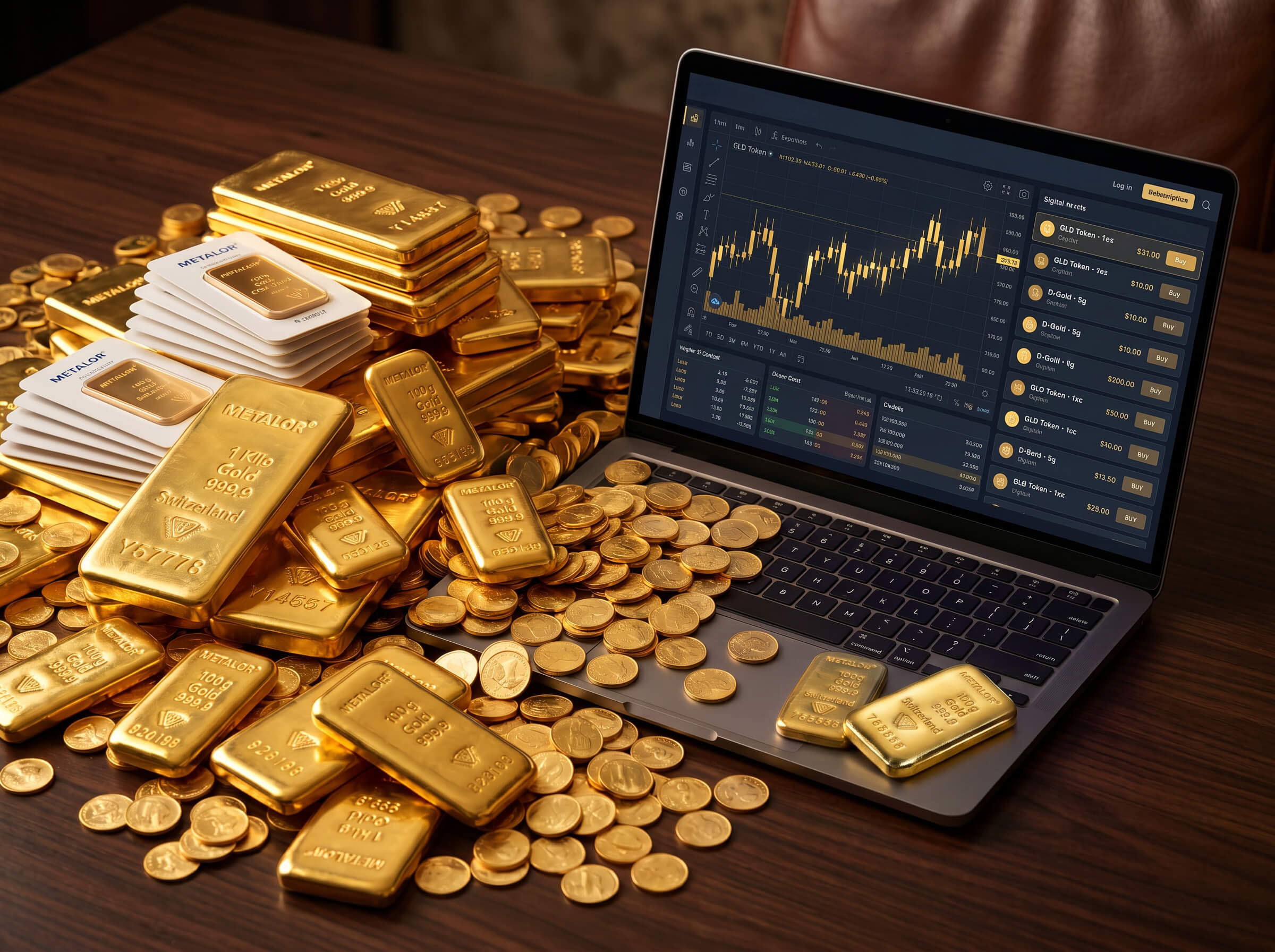
There are three main ways of investing in precious metals: physical bullion, exchange-traded funds (ETFs), and mining company shares. Buying physical bullion is the most straightforward option in our opinion. Precious metals investing doesn’t have to mean picking just one, many investors combine two or three as their portfolio grows. The table below summarises the key differences, followed by a closer look at each.
| Physical Bullion | Precious Metals ETFs | Mining Stocks | |
|---|---|---|---|
| Ownership | Direct, full ownership of the metal | Indirect — a claim on a fund | Indirect — equity in a mining company |
| Counterparty Risk | None | Fund and custodian risk | Company and operational risk |
| Liquidity | High for gold, silver, and platinum; lower for palladium | Very high, exchange-traded | High, exchange-traded |
| Singapore Tax Treatment | GST-exempt for gold, silver, and platinum; GST applies to palladium | Taxed under ordinary securities rules | Taxed under ordinary securities rules |
| Best For | No counterparty risk, direct ownership | Low-friction, liquid price exposure | Leveraged, higher-risk exposure |
Physical Bullion
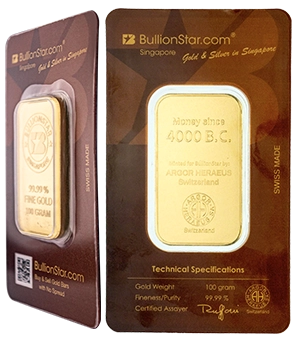
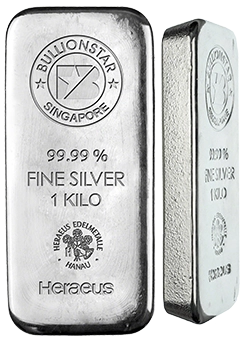
Physical bullion, bars and coins held directly, remains the most straightforward way of investing in precious metals: you own the metal outright, with no fund, trustee, or counterparty standing between you and your holding. Gold, silver, and platinum bars and coins meeting Investment Precious Metal (IPM) standards are GST-exempt in Singapore; palladium bars aren’t, since palladium isn’t classified as an IPM.
Precious Metals ETFs
Precious metals ETFs are also a popular way people look into investing in precious metals. They offer exposure to a metal’s price through an ordinary brokerage account, with no storage and insurance to think about.
Each metal has its own major funds: gold’s SPDR Gold Shares (GLD) and iShares Gold Trust (IAU), silver’s iShares Silver Trust (SLV), platinum’s abrdn Physical Platinum Shares ETF (PPLT), and palladium’s abrdn Physical Palladium Shares ETF (PALL). All work on the same underlying mechanism: shareholders own a claim on the fund, not a specific bar, and in almost all cases can’t redeem shares for physical metal.
Mining Stocks
Mining stocks offer a different, more leveraged kind of exposure. You’re investing in the business of extracting a metal, not the metal itself. Because a producer’s costs are relatively fixed, profits can rise disproportionately when metal prices rise, but mining stocks also carry risks that have nothing to do with the metal price: operational setbacks, management decisions, debt levels, and the political risk of the countries where mining takes place.
If you’re ready to start investing in precious metals, or want to see how to invest in each metal specifically, the sections below cover both, method by method and metal by metal.
How to Invest in Each Metal
The mechanics above apply across all four metals, but each has its own market quirks, products, and tax treatment worth understanding before you buy. Here’s a short overview of how to invest in each.
How to Invest in Gold
Gold is the most established and liquid of the four, with the deepest range of bars, coins, and ETFs, and full GST exemption in Singapore as an Investment Precious Metal. For a full walkthrough of products, storage, and strategy, see our How to Invest in Gold: A Complete Guide.
How to Invest in Silver
Silver offers the same GST exemption as gold and platinum, at a much lower price point per ounce, making it a popular entry point for new investors. For more on silver’s investment case and how it fits alongside gold, see our Why Invest in Silver guide.
How to Invest in Platinum
Platinum is rarer than gold, GST-exempt in Singapore, and priced independently of the other metals, driven by its own industrial and jewellery demand. For a full breakdown of products and strategy, see our How to Invest in Platinum guide.
How to Invest in Palladium
Palladium is the outlier of the four. It is not GST-exempt in Singapore, has a thinner bullion market than the other three, and a price driven almost entirely by automotive demand. For the full picture, see our How to Invest in Palladium guide.
Building a Precious Metals Portfolio
A common starting framework for a precious metals portfolio is roughly 60% gold, 30% silver, 7% platinum, and 3% palladium, reflecting the reasoning covered above: gold as the core store-of-value holding, silver as the primary diversifier at a lower price point, and platinum and palladium as smaller, higher-volatility positions for investors seeking additional diversification. This isn’t a rule. Your own allocation should reflect your budget, risk tolerance, and how much each metal’s specific case, industrial demand, tax treatment, and liquidity, appeals to you.
Whatever split you choose, it’s worth revisiting periodically. Rebalancing, selling down whichever metal has grown to dominate your holdings and topping up the others, keeps your portfolio aligned with your original allocation as prices move at different rates across the four metals.
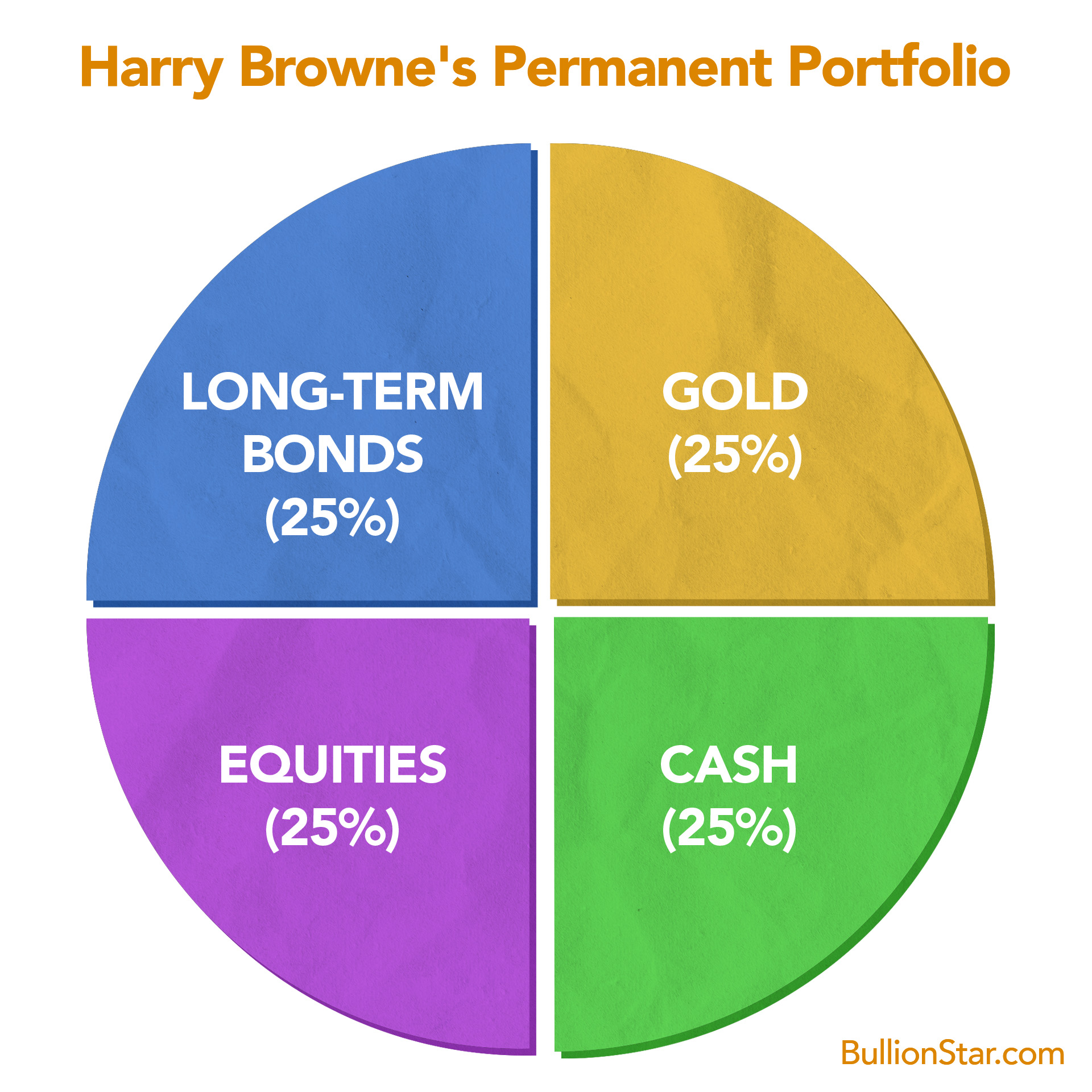
For a closer look at how much of each metal to hold and how to think about rebalancing, see our Gold & Silver Portfolio Allocation guide, and our Portfolio Diversification guide for how precious metals fit alongside other asset classes.
Frequently Asked Questions
What’s the best precious metal for beginners?
Gold and silver are generally the easiest starting points: both are GST-exempt in Singapore, backed by well-established markets, and available in a wide range of bar and coin sizes to suit different budgets. Silver’s lower price per ounce makes it especially accessible for smaller first purchases. Platinum and palladium suit investors who already understand precious metals and want more targeted diversification, given their smaller markets and, in palladium’s case, no GST exemption.
Should I diversify across multiple metals?
For most investors, holding gold and silver as a core, with smaller platinum and (optionally) palladium positions, offers more diversification than any single metal alone, since each responds differently to inflation, industrial demand, and market conditions. See our Portfolio Diversification guide for how precious metals fit alongside other asset classes.
Do precious metals beat inflation?
Gold and silver have a long history of preserving purchasing power over extended periods, though results vary depending on the timeframe measured. Platinum and palladium are driven more by industrial demand than by inflation directly, so they play a different role in a portfolio than a pure inflation hedge.
How much should I allocate to precious metals?
This depends heavily on individual circumstances, but a common guideline is 5–15% of a total portfolio, split across the four metals as detailed above. See our Gold & Silver Portfolio Allocation guide for a fuller discussion.
How much money do I need to start investing in precious metals?
Less than many people expect. Gold and platinum bars are both available from as little as 1 gram, keeping the entry point modest. Silver’s physical bars and coins typically start at 1 troy ounce, but its much lower price per ounce means that’s still an inexpensive way in, and BullionStar’s Bullion Savings Program lets you buy silver (as well as gold and platinum) in gram amounts from just 1 gram if you’d rather not commit to a full bar.
What’s the safest way to invest in precious metals?
Physical bullion carries no counterparty risk, since you own the metal outright rather than a claim on a fund or company. ETFs and mining stocks are more convenient but introduce fund, custodian, or company-specific risk on top of the metal price itself, worth weighing depending on how much you value direct ownership versus liquidity.
Start Investing in Precious Metals with BullionStar
Gold, silver, platinum, and palladium each offer a different route into precious metals investing. Gold and silver as the established core, GST-exempt and time-tested as stores of value. Platinum as a smaller, rarer diversifier that still carries the same Singapore tax advantage, and palladium as a more specialised, industrially-driven addition for investors who understand its trade-offs. How you invest, be it physical bullion, ETFs, or mining stocks, matters just as much as which metals you choose, since it shapes how much counterparty risk, liquidity, and control you’re taking on.
A sensible starting point is a portfolio weighted toward gold and silver, with smaller platinum and palladium allocations layered in over time as your understanding, and your holdings, grow.
Ready to get started? Browse our range of gold, silver, platinum, and palladium bullion, explore our Bullion Savings Program for a lower-cost way to build a position gradually, or get in touch with our team at support@bullionstar.com, we’re happy to help.
Popular Blog Posts by Gold & Silver 101
 An Introduction to Gold & Silver Investing
 Should I Invest in Gold, Silver, or Platinum Bullion?
 Gold Coins vs Gold Bars: Which Is Better?
 How Is Gold Taxed in Singapore? The IPM GST Exemption Explained
 Storing Precious Metals, Gold, and Silver Bullion
 Gold & Silver Bullion Investing FAQs
 Karat vs Carat: What’s the Difference?
 Gold Purity: The Complete Guide
 How Much Gold Is There in the World?
 Junk Silver: What It Is and What It’s Worth